

Guided by its mission to develop responsible leaders versed in “China Depth, Global Breadth”, CEIBS was the first business school on the Chinese mainland to champion environmental, social and governance (ESG) principles. The school incorporates ESG-related content into its teaching, research, and student and alumni events. CEIBS encourages our students to take an active approach to social responsibility and to look beyond commercial success when considering their impact on society. Through our educational and community initiatives, we seek to demonstrate how business growth and social progress can reinforce one another. We also encourage students and alumni to contribute to charitable causes and engage with their communities through their careers, turning a sense of responsibility into practical action that creates lasting social impact.

The CEIBS Strategic Development Plan (2026–2030) identifies “Exemplifying Social Responsibility” as one of the school’s eight strategic priorities. We are committed to further integrating ESG and sustainability into our educational philosophy, curriculum and academic research. By drawing on educational, research and business practices from China and around the world, we aim to advance knowledge creation and dissemination to move closer toward our vision of becoming the world’s most respected international business school.

CEIBS Milestones in ESG

2026—2011

2026

CEIBS Strategic Plan (2026–2030) published

  1. In 2026, CEIBS Strategic Plan (2026–2030) was published, the original “Exemplifying Responsible Education” was upgraded to “Exemplifying Social Responsibility” and moved to the second key position, further highlighting the school’s responsibility as a world-leading business school.

  2. In 2026 the school advanced its timeline, committing to achieve Scope 2 net zero by 2031 and Scope 1 net zero by 2033 — relying on 100% renewable electricity to fully offset Scope 2 emissions no later than 2031.

2025

Carbon footprint management project launched

  1. In 2025, CEIBS launched the carbon footprint management project, establishing a carbon emission data monitoring system and an internationally compliant carbon accounting system.

2024

Carbon neutrality target advanced from 2035 to 2034

  1. 2024: The school issued the CEIBS Diversity, Equality and Inclusion (DEI) Policy, strengthening its commitment to social responsibility and enhancing systematic focus on sustainable development.

  2. In 2024, based on 2019 data, the school verified carbon emissions across its five global campuses in 2023, committing to advancing the carbon neutrality target for Scope 1 and Scope 2 emissions from 2035 to 2034.

2023

Carbon neutrality strategy launched

  1. In 2023, to practice sustainable development and promote green and low-carbon transformation, CEIBS launched a carbon neutrality strategy and released its first Carbon Disclosure Report, committing to full-scope carbon neutrality by 2050.

2020

CEIBS ESG Research Area established

  1. In 2020, “Exemplifying Responsible Education” was listed as one of Eight Strategic Priorities in the CEIBS Strategic Plan (2021–2025), laying a strategic foundation for subsequent ESG work.

  2. In 2020, the CEIBS ESG Research Area was established, with nearly 32 professors across five disciplines.

2019

ESG integrated into core courses across all programmes

  1. In 2019, ESG-related content was integrated into core courses of all Programmes (≥10%), reaching over 20% in MBA and GEMBA.

2018

First CEIBS Corporate Social Responsibility Report released

  1. In 2018, the school released the first CEIBS Corporate Social Responsibility Report and co-hosted the annual CEIBS CSR/ESG Forum with the CEIBS Alumni Association (CAA). Since then, it has published the relevant white paper on an annual basis.

2011

Carbon credits purchased and first carbon neutrality certification obtained

  1. In 2011, the school incorporated Responsible Leadership into its mission statement, highlighting its significant influence on China’s business practices. CEIBS Mission: To educate responsible leaders versed in China Depth, Global Breadth.

  2. In 2011, the school purchased carbon credits and obtained carbon neutrality certification for the first time, becoming the first carbon-neutral business school in Asia. This initiative originated from a tree-planting project in Inner Mongolia initiated by MBA students.
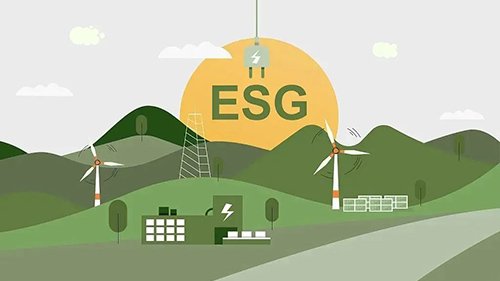
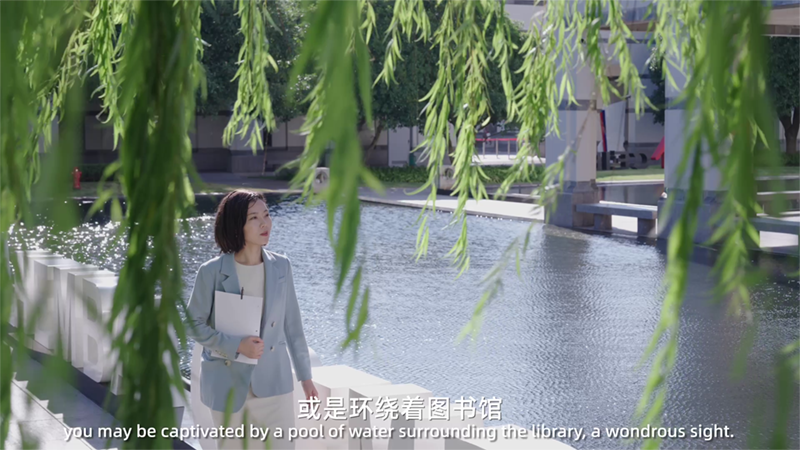
 

Campus Sustainability

A green campus serves as a key scenario for implementing CEIBS’ ESG practices. Leveraging its five campuses, the university embeds the concept of sustainable development into every detail of campus development, creating an accessible and participatory model green campus.

ESG Integration into Curriculum and Teaching

As a leader in business education, CEIBS has deeply embedded ESG principles across all degree and executive education Programmes. Building on its pioneering work in mandatory social responsibility courses, the school integrates the UN Sustainable Development Goals into core curricula, advances innovative real-situation learning, and aligns scholarships and admissions with responsible leadership values. Through curriculum refinement and pedagogical innovation, CEIBS has made ESG central to developing forward-thinking business leaders. In the Financial Times (FT) Global MBA Rankings 2026, the School’s ranking for “ESG and Net-Zero Teaching” rose significantly, placing it among the top 20 worldwide.

MBA Programme

Curriculum System: Launched the compulsory Responsible Leadership Project (RLP) in 2010, optimised as the compulsory Business, Society and Environment (BSE) course in 2015. Since 2021, all Integrated China Strategy Projects (ICSP) have fully covered ESG impact content. In 2025, a Climate Fresk Workshop was introduced in the orientation module. All core MBA courses fully integrate ESG teaching content, with the 17 UN Sustainable Development Goals deeply embedded in various courses.

Real-Situation Learning: The “Malaysia Responsible Leadership Tour” real-situation course has been offered since 2018 and held seven times to date.

FMBA Programme

Curriculum System: “The Code of Ethics for Financial Professionals” has been included in the orientation module since the Programme’s launch in 2012. ESG finance courses were introduced at the end of 2022. ESG requirements were added to project reports to strengthen the connection between ESG and financial practice.

Forums and Activities: In cooperation with the CEIBS Lujiazui International Institute of Finance, four CEIBS Green Finance Forums have been held consecutively since 2021. The forum has partnered with BNP Paribas, Green Finance 60 Forum (GF60), and Shanghai Science and Technology Exchange Centre to build a high-quality green finance exchange platform. ESG-themed F-Series events are also held regularly.

EMBA Programme

Curriculum System: “Entrepreneurs’ Social Responsibility” became the first lesson for new students in 2011. The “Public Welfare in Action” was launched in 2018. ESG has been formally integrated into the compulsory curriculum as a credit-bearing course since the 2022 cohort, and ESG lectures were upgraded to an independent compulsory course for the 2023 cohort. In 2025, lectures on “Sustainable Business Strategy and Practice” were conducted. After years of efforts, ESG runs through the entire EMBA curriculum (orientation → compulsory → elective → capstone project), with ESG content accounting for over 20% on average in all compulsory courses.

Real-Situation Learning: In 2019, EMBA launched the RSLM-based elective course “Creating Shared Value: A Win-Win Strategy for Enterprise”. EMBA launched the domestic RSLM-based course “A Win-win Ecosystem for Stakeholders: A Strategic Perspective” in 2021, along with the “CSR Action Plan”.

Scholarships: Public welfare scholarships and the scholarships for applicants from Central and West China were established in 2015, supporting applicants engaged in public welfare and talent development in central and western China.

Student Recruitment: The Programme prioritises enrolment of students from public welfare organisations, who serve as class public welfare committee members and set up public welfare groups.

Curriculum Management Innovation: Stationery recycling initiatives are implemented across three campuses.

GEMBA Programme

Curriculum System: Since 2021, the compulsory series “Social Responsibility: Action & Reflection” has been offered, with multiple ESG-themed electives added. The modules span 20 months, emphasising immersive experience and action-driven responsible leadership. In 2025, ESG-related content accounted for 22.44% of all compulsory courses. Five project teams of the 2023 cohort focused on ESG fields.

Overseas Modules: In 2024–2025, ESG special courses were introduced in cooperation with the National University of Singapore and ESCP Business School, and a high-level symposium on “Latin American Carbon Market” was set in the Brazil module.

Student Practice: A series of “Beyond Charity” ESG lectures were launched, with ESG committees and core teams in all classes.

HEMBA Programme

Curriculum System: The course “Creating Shared Value” is offered in the orientation module, and “Leading the Future: Sustainable Strategy and ESG Value Creation” in the middle stage. ESG requirements and content are integrated into group projects and after-class assignments. The compulsory course “Environment, Society and Corporate Governance” was added for the 2024 cohort, and iterated to “Leading the Future: Sustainable Strategy and ESG Value Creation” for the 2025 cohort. ESG and related content account for 35% of HEMBA compulsory courses.

Overseas Modules: ESG is a core consideration in corporate visits and guest invitations for global real-situation courses. Partner enterprises include Changi Airport, Hong Kong Jockey Club, Wynn Macao Group, and Batam Island Trade Promotion Board of Indonesia.

DBA Programme

Curriculum System: “Driving Businesses Toward Good: Corporate Social Responsibility” is a compulsory course in the orientation module. The organisational behaviour course also sets clear ESG-related learning objectives.

Overseas Modules: The Switzerland module includes a visit to the World Health Organisation (WHO); the US module invites Stanford professors to share insights on corporate carbon emission reporting.

Real-Situation Learning: Students experience ESG integration into global strategies and daily operations at partner enterprises including Shang Gong and Joyoung Group.

Research Incentives: ESG-related topics are key bonus items in the outstanding dissertation selection. An ESG Research Workshop was launched in 2025 to focus on academic debates and stimulate students’ research interest.

EE (Executive Education) Programme

Curriculum System: “Sustainability Strategy” and “Development of Carbon-Neutral Companies” have become compulsory courses for the Global CEO and Advanced Management Programme (AMP). In 2023, Professor Rui Meng delivered the first lesson “A Historical Perspective on ESG” for the opening module of executive Programmes. ESG special courses such as ESG and Green Finance, Chinese Enterprises Going Global and ESG, ESG and Corporate Value Creation, and ESG Regulatory Landscape and Information Disclosure are introduced into alumni-specific courses and CSP courses.

RSLM-based study: The CEIBS Family Office Diploma Programme (FOP) and alumni-specific courses include a study tour to “Hongcun Village in the city of Huangshan”, to strengthen awareness of corporate social responsibility and environmental protection.

Official Training: Customised pro bono management training has been continuously provided to leading officials of government agencies and state-owned enterprises in Shanghai, Beijing, Shenzhen, Yunnan and other regions, with a total of over 5,200 participants.

Eco-friendly Operations: All promotional materials and printed materials use environmentally friendly materials.

Research Papers

2026 CEIBS ESG White Paper Executive Editors: Wang, Yajin; He, Ziqing
2024 CEIBS ESG White Paper Executive Editors: Wang, Yajin; He, Ziqing
2023 CEIBS ESG White Paper Executive Editor: Yajin Wang
2022 CEIBS ESG White Paper Executive Editor: Jinyu He
2021 CEIBS Corporate Social Responsibility White Paper Executive Editor: Jinyu He
2020 CEIBS Corporate Social Responsibility White Paper Executive Editor: Jieping Chen
2018 CEIBS Corporate Social Responsibility Report Executive Editor: Jieping Chen
2017 CEIBS Corporate Social Responsibility Report (in Chinese) Executive Editor: Terence Tsai

ESG Videos & Podcasts

Alumni Practice

More

Forums & Exchanges

CEIBS Europe Forum event

Europe Forum

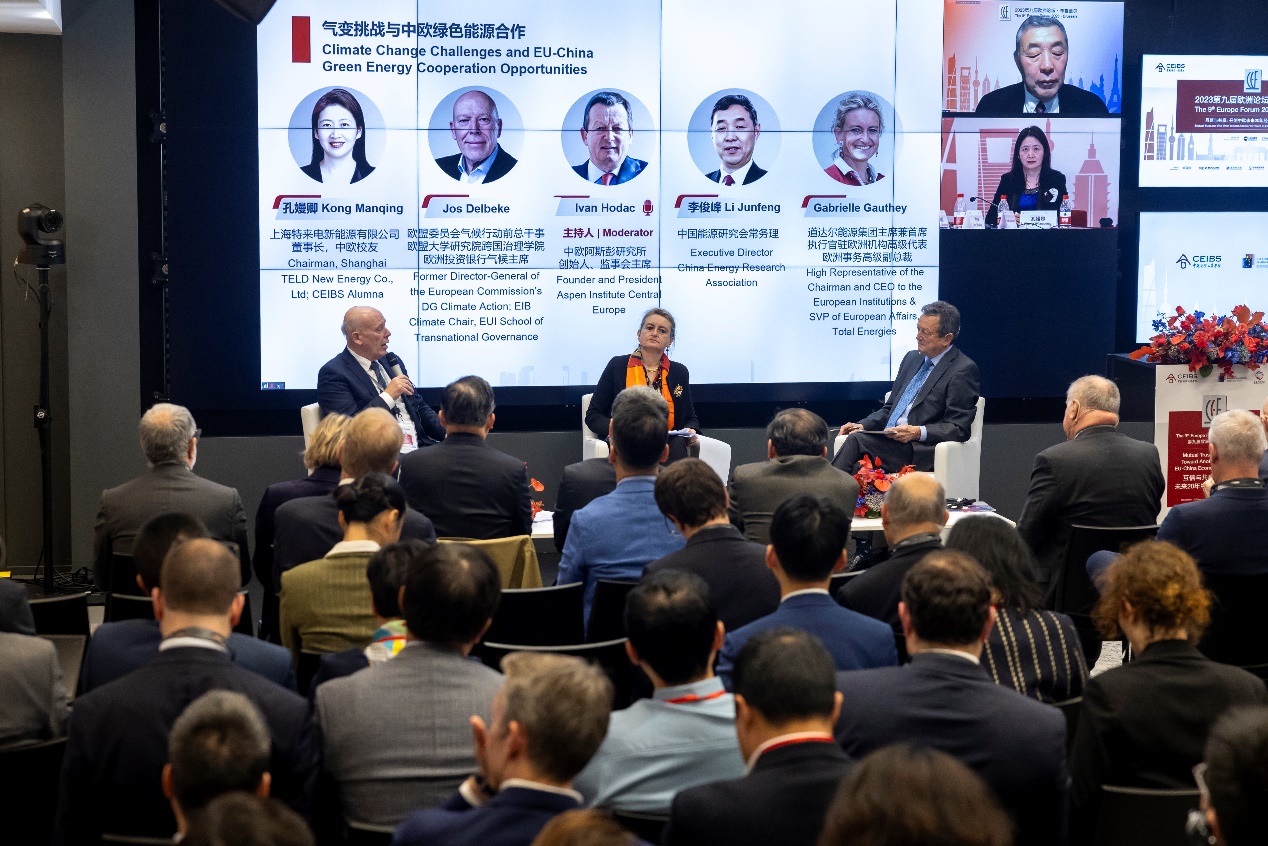
Since its launch in 2012, the CEIBS Europe Forum has brought together business and other stakeholders in major European cities to explore topics of shared interest to China and Europe, including opportunities for China–EU cooperation on decarbonisation and the transition to a low-carbon economy. By 2026, the forum had held more than 30 sessions across eight countries and regions, established strategic partnerships with more than 100 influential chambers of commerce, industry associations and think tanks worldwide, welcomed more than 200 prominent international speakers, and attracted over 8,000 business representatives.
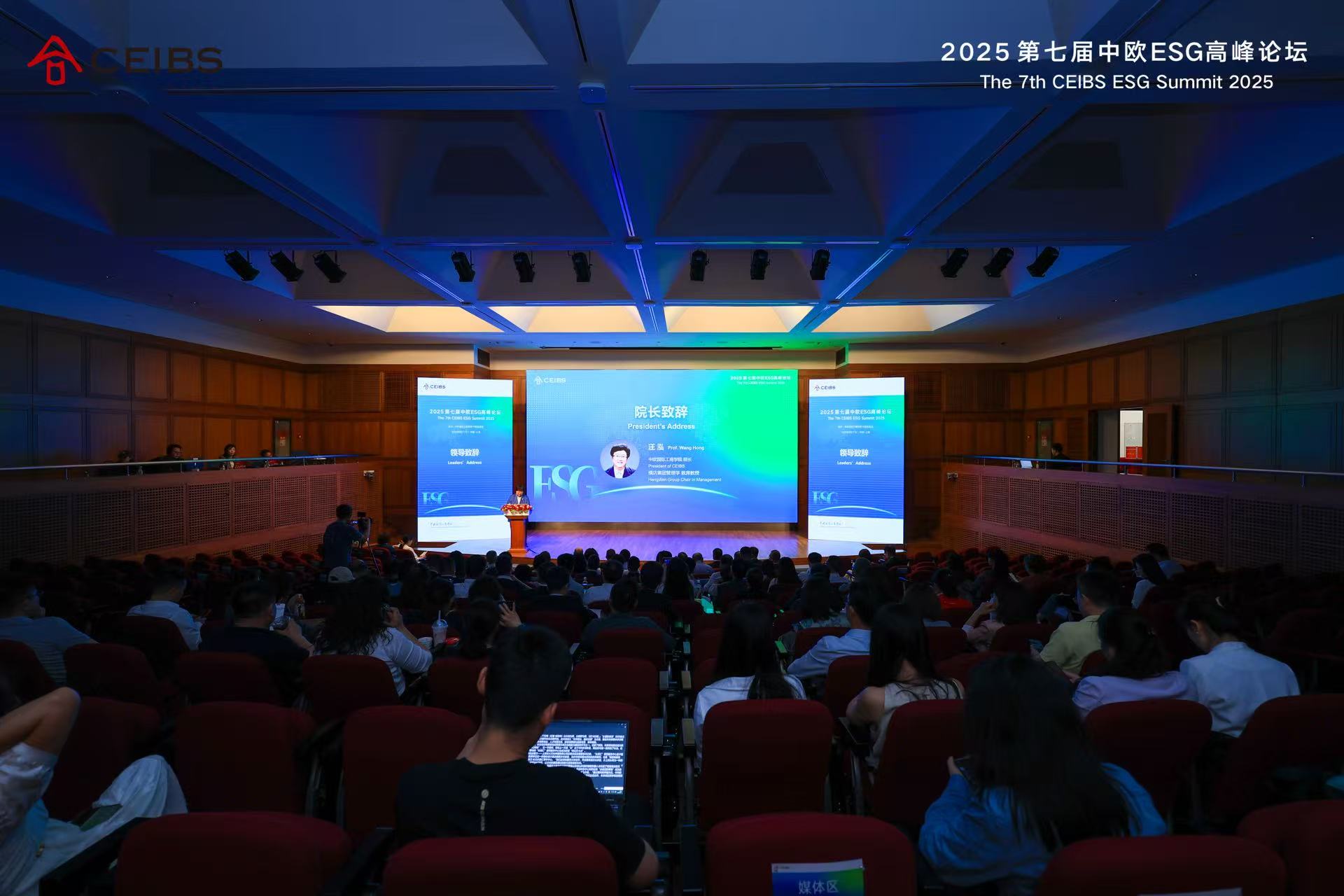
CEIBS ESG Summit event

CEIBS ESG Summit and CEIBS Alumni Annual Conference on Corporate Social Responsibility

Since 2018, CEIBS has co-organised the annual CEIBS ESG Summit in partnership with the CEIBS Alumni Association, placing social responsibility at the heart of its annual alumni conference. The event encourages alumni to translate social responsibility and ESG principles into business practice and work together to advance sustainable development.
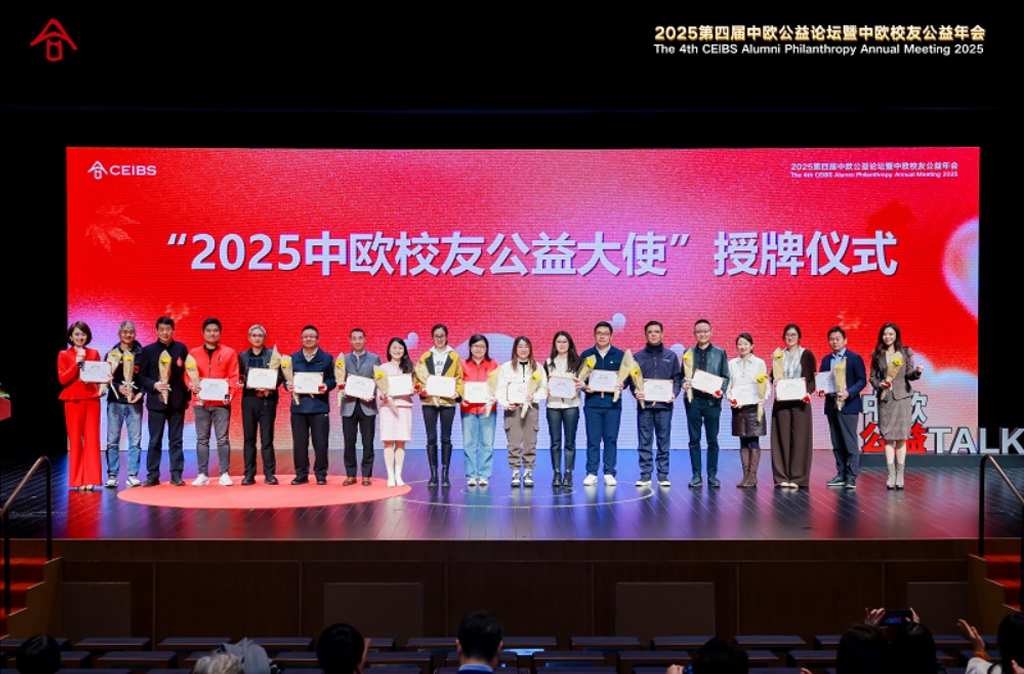
CEIBS Philanthropy Forum event

CEIBS Philanthropy Forum

Held annually since 2021, the CEIBS Philanthropy Forum convenes philanthropic initiatives from across the CEIBS community. It seeks to inspire alumni to engage in philanthropy and explore innovative approaches to creating social value. The forum also promotes the integration of social responsibility into education, encouraging faculty, students and alumni to apply their professional expertise to philanthropic initiatives.
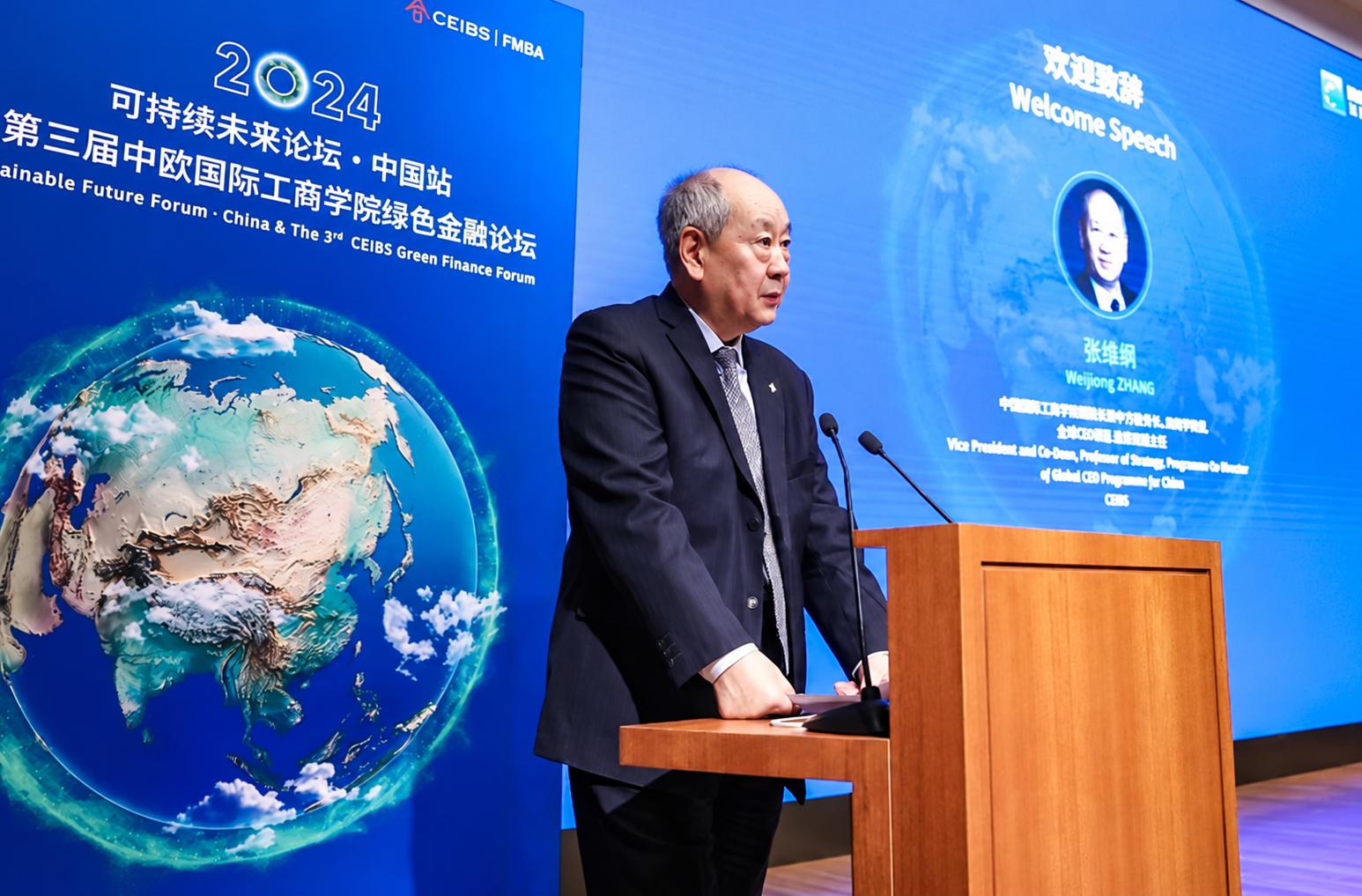
CEIBS Green Finance Forum event

CEIBS Green Finance Forum

Green finance plays an important role in supporting the transition to a more sustainable economy and environment. Launched in 2021 by the CEIBS FMBA Programme in partnership with the CEIBS Lujiazui International Institute of Finance (CLIIF) and the CEIBS Alumni FMBA Club, the CEIBS Green Finance Forum has been held three times to date. The forum provides a platform for sharing insights into corporate social responsibility and sustainable development, while encouraging CEIBS alumni and current students to put responsible business principles into practice and champion the idea of “finance for good”.

ESG Faculty

CEIBS brings together the teaching and research expertise of more than 30 professors across its five academic departments in the field of ESG, striving to become a leader in creating and disseminating cutting-edge knowledge on corporate social responsibility and sustainable development in China and across Asia.

30+

Professors

5

Departments

ESG-related themes

Strategy / Entrepreneurship

Clean energy technologies and innovation ecosystems; CSR/ESG strategic motives and decision-making; DEI strategies and practices.

Marketing

Green products and sustainable marketing strategies; consumer prosocial behaviours; data privacy and consumer rights; ESG brand equity.

Finance / Accounting

ESG ratings and investment; greenwashing and regulatory arbitrage; green technology financing; financial performance evaluation of ESG initiatives.

Economics / Decision Sciences

Cost-benefit analysis of carbon neutrality; climate change policies and market mechanisms; AI ethics.

Organisational Behaviour / Human Resource Management

Sustainable development of family businesses; gender diversity and labour standards; organisational structure of social enterprises; ESG practices in cross-cultural contexts.