



New York and London lead as Shanghai rises in 2026 Global Asset Management Centre Index
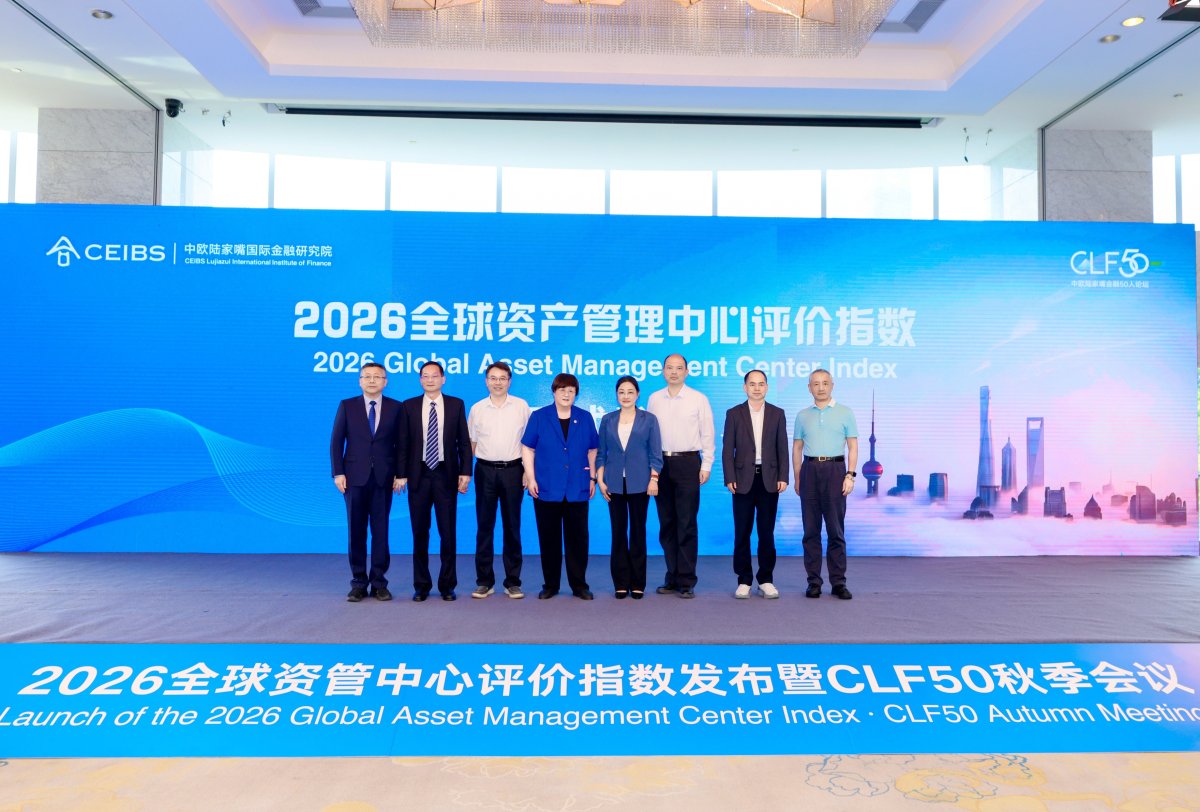
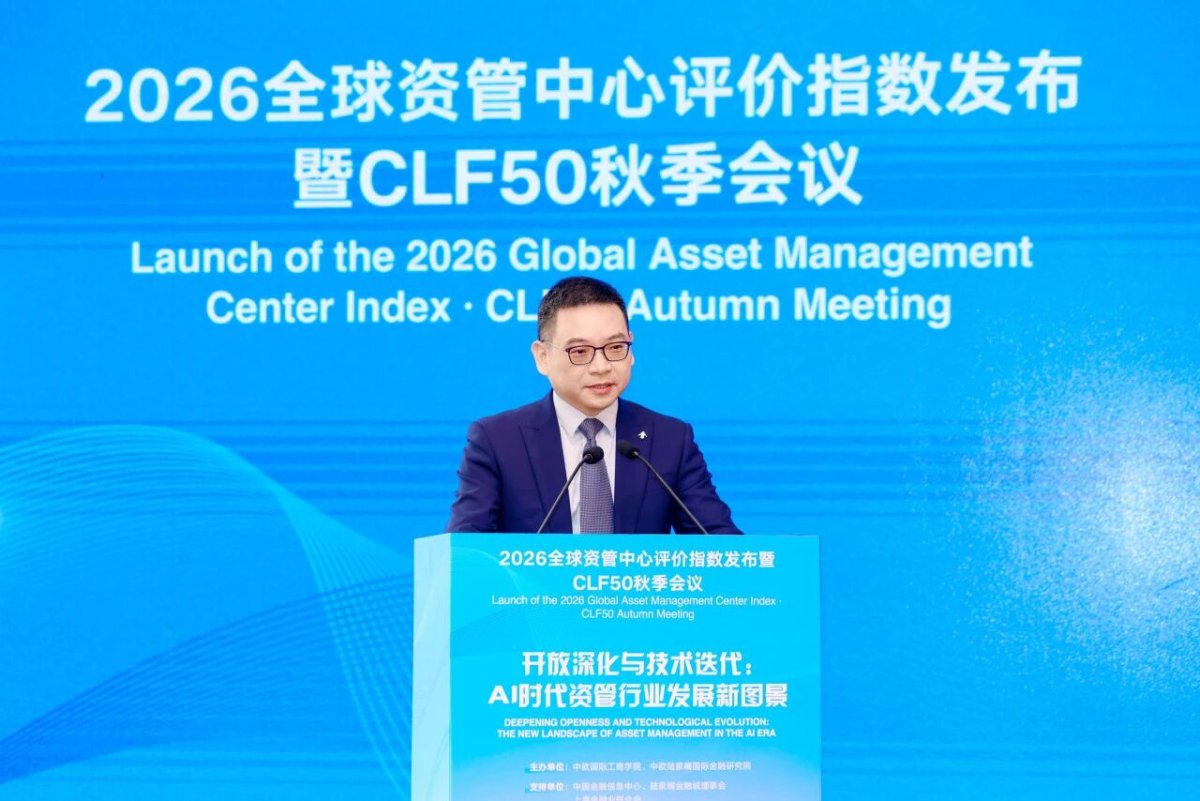
September 15, 2026. Shanghai — The CEIBS Lujiazui International Institute of Finance (CLIIF) launched the 2026 Global Asset Management Centre Evaluation Index today at the CLF50 Annual Meeting. The Index places New York first with a score of 93.62, followed by London at 88.04 and Shanghai at 87.05. Shanghai moved up two places from fifth in 2025, entering the Index’s global top three for the first time and becoming the highest-ranked city in Asia, while London climbed from third to second.
The assessment comes as technology, particularly artificial intelligence, increasingly reshapes investment research, risk management and decision-making across the global asset management industry. The Annual Meeting brought together representatives from government, financial institutions and academia to discuss how these changes are affecting the competitiveness of global financial centres and the future of asset management.
Shanghai gains ground on assets, growth and technology
According to the report, Shanghai’s rise was underpinned by the continued expansion of its underlying asset base. In 2026, the city ranked second globally for underlying assets, behind only New York. Its stock market capitalisation increased from US$7.62 trillion to US$10.12 trillion, while its outstanding bond market reached US$28.74 trillion.
Shanghai also ranked second for growth potential, fifth for asset management technology, and seventh for asset management products and services, reflecting stronger performance across market scale, growth and technological adoption.
AI is changing asset management — but trust remains fundamental
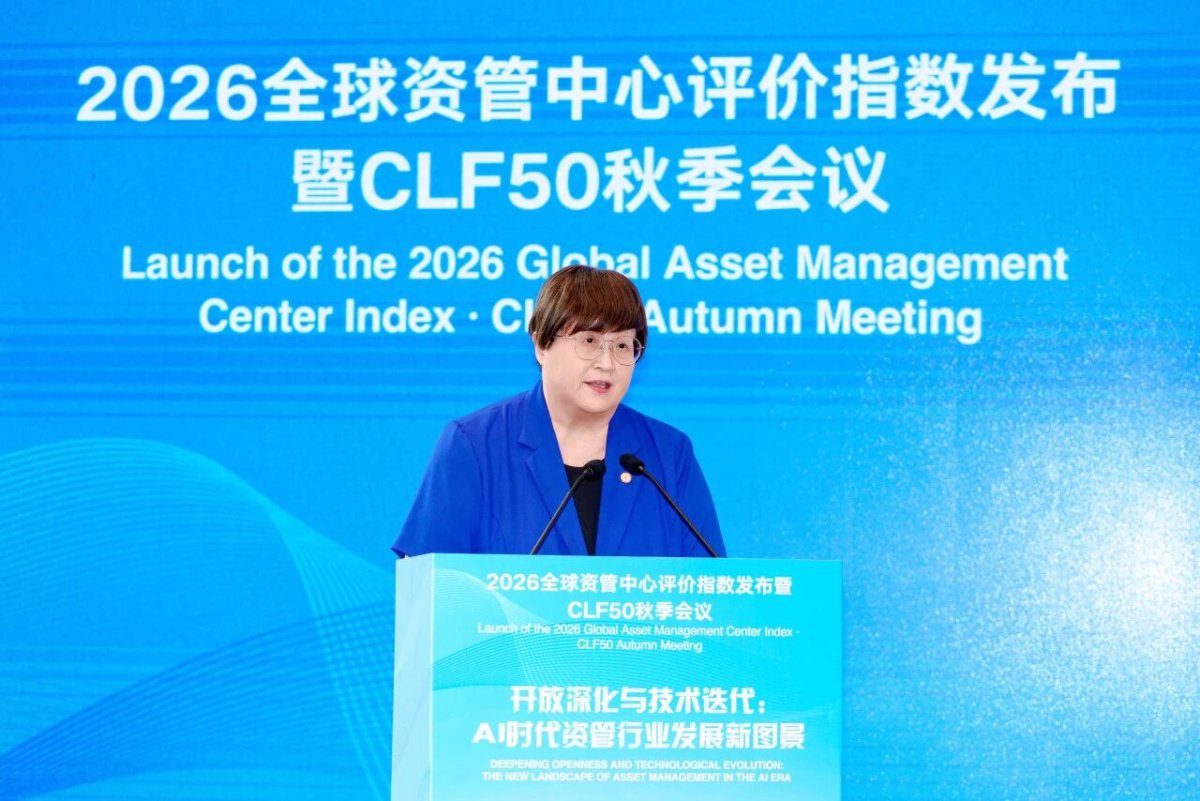
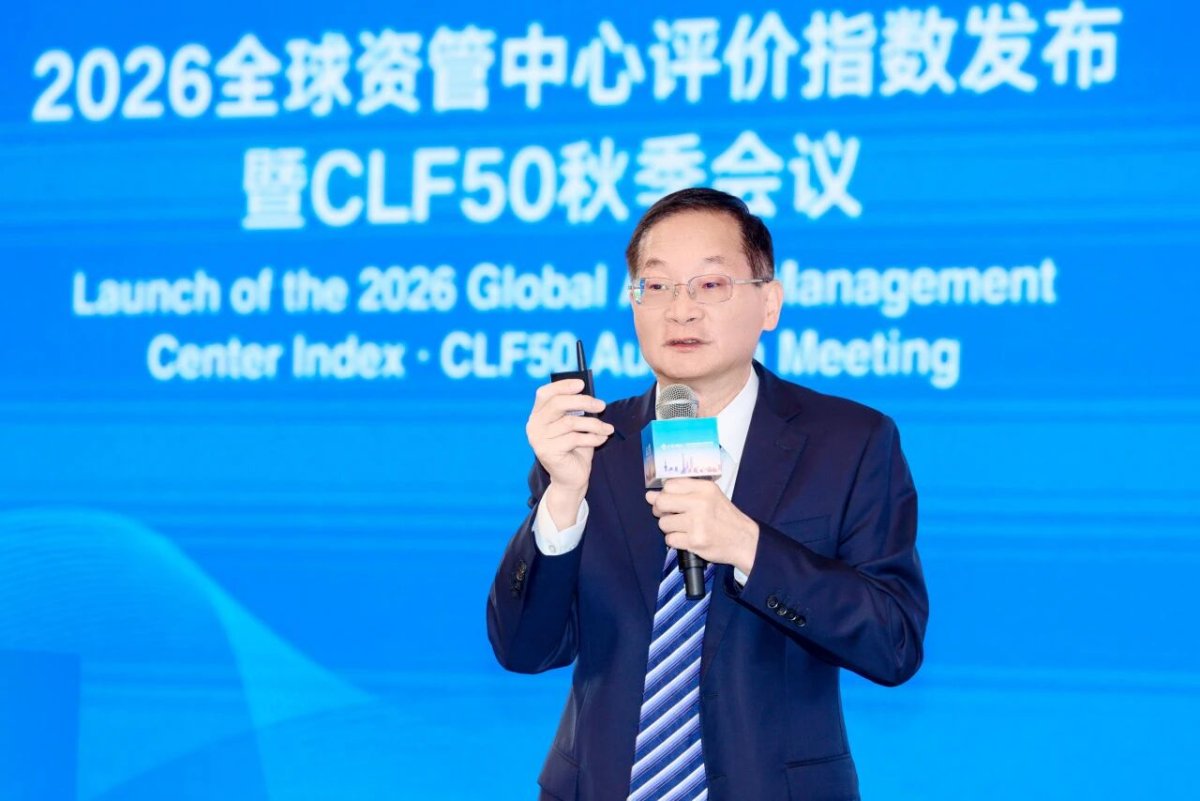
In her opening remarks, CEIBS President Wang Hong noted that Shanghai is navigating a period of profound change in both global finance and technology. Geopolitical tensions, shifts in trade policy and evolving regulatory environments are leading investors to place greater emphasis not only on returns, but also on security, resilience, regulatory clarity and predictability, she said.
Meanwhile, she added, AI is becoming increasingly embedded in the core functions of financial institutions. The rapid development of generative AI and AI agents is not only transforming financial tools, but also reshaping the full investment value chain — from information gathering and research to investment decision-making.
She then highlighted three shifts shaping the future of global asset management centres. First, competition between financial centres is no longer simply about assets under management, the number of institutions, or market share. Increasingly, it is about what a financial centre can do: providing sophisticated financial services, facilitating global asset allocation, connecting international capital with quality assets, and helping investors identify and manage risk.
Second, she said that changes in the global environment and rapid technological advances are raising the bar for Shanghai. The city needs to further strengthen its global asset allocation capabilities and reinforce its role as a gateway connecting Chinese assets with global capital, she asserted.
Third, President Wang stressed that ultimately, the competitiveness of an asset management centre rests on trust. Asset management is fundamentally a fiduciary business, she said, and while AI can make investment research and decision-making more efficient, it cannot replace human accountability. Financial institutions therefore need to establish clear, traceable and trustworthy frameworks for human-AI collaboration.
She also highlighted talent as a growing source of competitive advantage. Future asset management professionals will need not only expertise in finance and investment, but also an understanding of data, technology and AI. For business schools, she said, the challenge is to develop leaders who can harness new technologies while retaining independent judgement and a strong sense of responsibility.
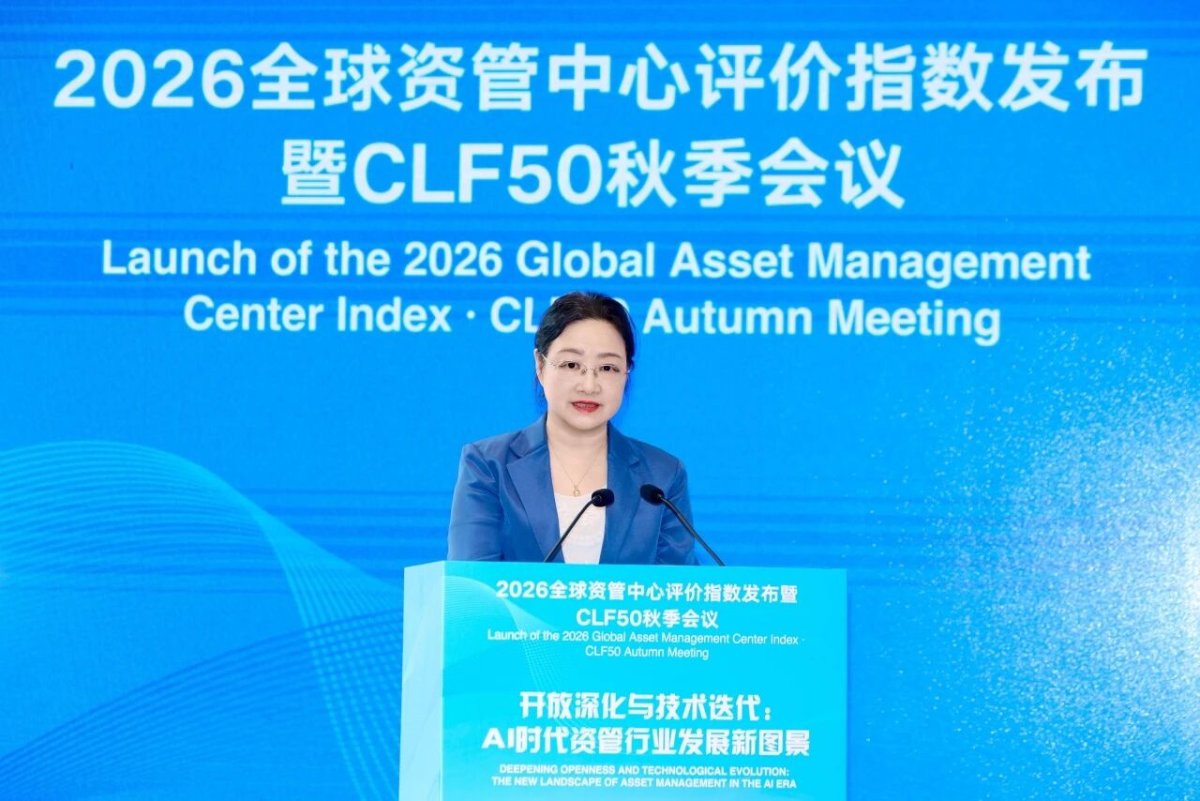
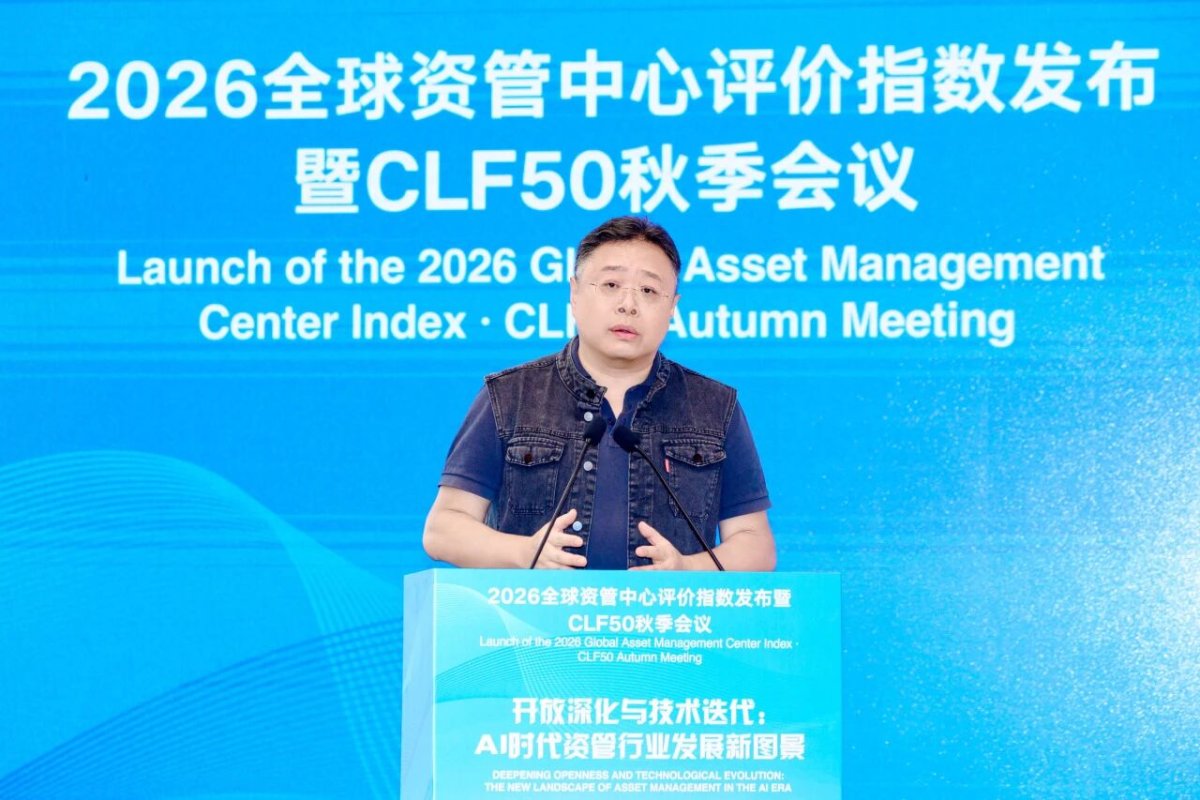
In her own remarks, Jiang Wei, Party Secretary of the Shanghai Headquarters of China Economic Information Service, then said that the development of Shanghai as a global asset management centre is important both to strengthening the city’s role as an international financial centre and to expanding the use of the renminbi in global finance. She noted that continued financial opening, the growing concentration of domestic and international asset managers in Shanghai, and the rapid adoption of technologies such as AI are reshaping investment research, risk management and advisory services. She added that the Global Asset Management Centre Evaluation Index provides a quantitative benchmark for the industry and a reference for policymaking.
Looking ahead, she said that the China Economic Information Service will continue to support Shanghai through financial information, data products, analytical tools and policy research, while deepening cooperation with CEIBS and the CEIBS Lujiazui International Institute of Finance.
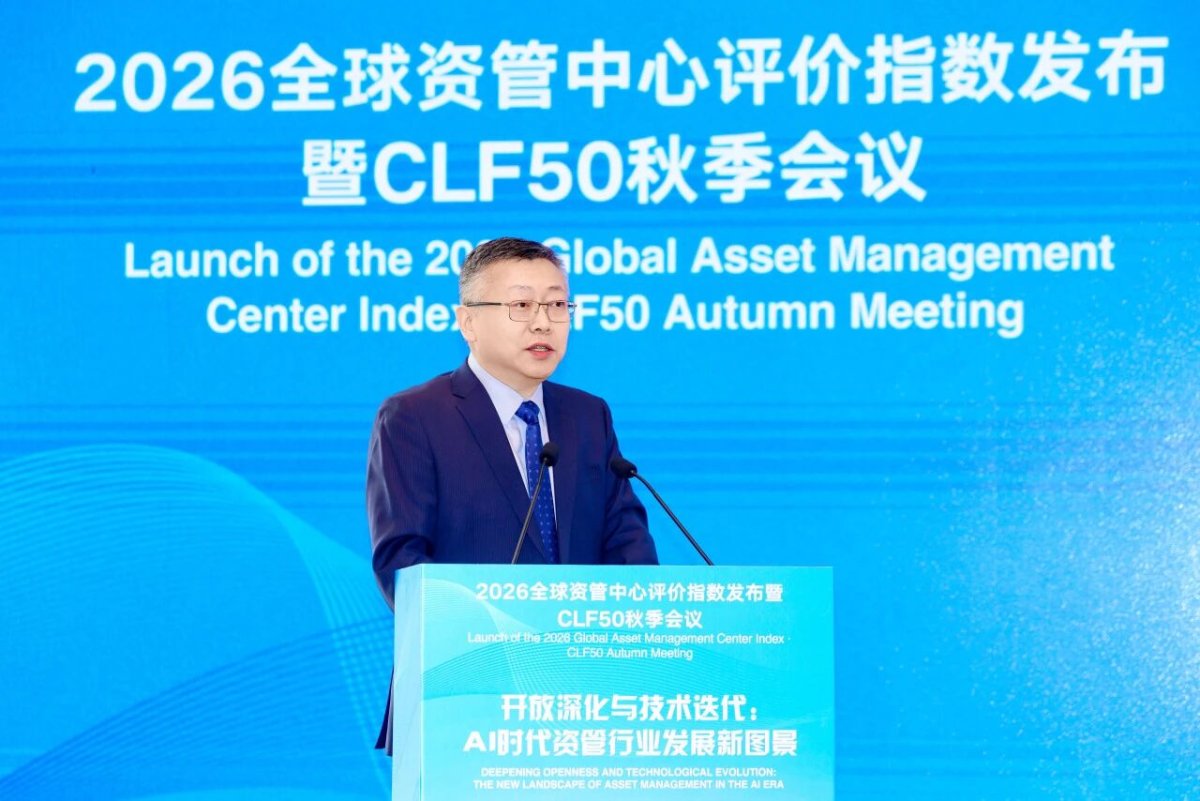
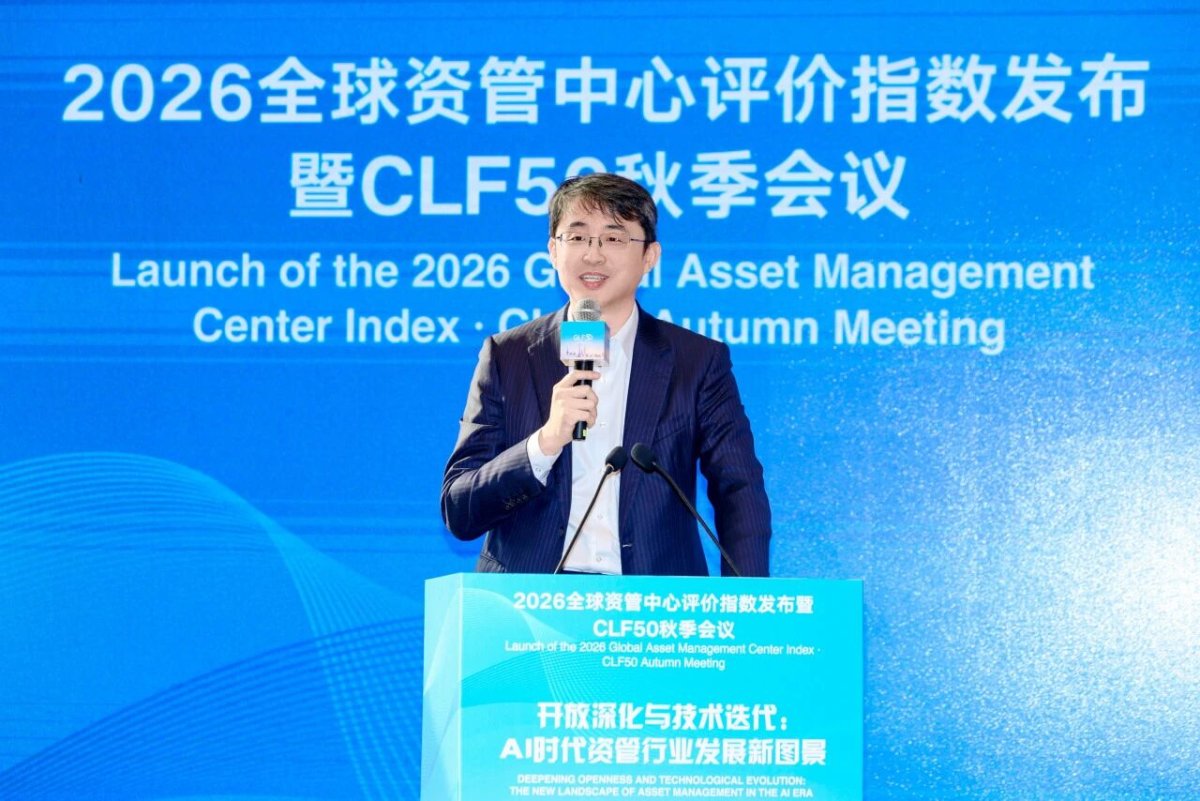
Interpreting the report, CEIBS Professor of Finance and Accounting and Executive Deputy Director of CLIIF Zhao Xinge said that Shanghai is developing a broader competitive advantage built on the scale of RMB-denominated assets, continued financial market development, technological innovation and a progressively more open market environment.
To build on this momentum, he added, Shanghai could further strengthen its ability to allocate global resources by making it easier for international institutions to access, trade, hedge and exchange RMB assets. Doing so would help translate the city’s asset-scale advantage into greater institutional concentration, product innovation and risk-management capabilities.
Now on its sixth edition, the Index tracks the development of major asset management centres worldwide and updates its methodology to reflect changes in global finance. This year’s framework comprises eight main dimensions: sources of capital, underlying assets, asset management institutions, products and services, asset management technology, tax and talent environment, growth potential, and institutional openness.
Institutional openness was introduced as a standalone primary indicator this year, covering areas including market access and national treatment, cross-border capital flows, cross-border availability of financial products, risk-management tools, custody and settlement arrangements, cross-border data rules and regulatory cooperation.
From passive returns to active value creation
In a keynote speech on asset management and the macroeconomy, CEIBS Adjunct Professor of Economics and Finance Sheng Songcheng said China’s lower-interest-rate environment is requiring asset managers to move away from relying on interest-rate spreads and towards more active asset allocation and value creation.
He pointed to technology and consumption as two areas likely to play an increasingly important role in China’s economic transformation and argued that asset managers would need to identify long-term value emerging from technological innovation and consumption upgrading.
Turning to the renminbi, Prof. Sheng stated his belief that the currency remains broadly stable with scope for gradual appreciation over the medium to long term. He noted that the global monetary system is undergoing significant change, creating new opportunities for the internationalisation of the renminbi. As China’s labour productivity and export competitiveness continue to improve, he argued that the currency appears somewhat undervalued on a purchasing power parity basis. A gradual appreciation of the renminbi, he added, could further enhance the attractiveness of Chinese assets to global investors.
Shao Yu, Vice Chairman of the China Chief Economist Forum and Distinguished Senior Fellow at the National Institution for Finance and Development, then delivered remarks focused on structural opportunities arising from technological change and industrial upgrading. He argued that while technology assets can carry elevated valuations and volatility, investors should look beyond short-term market fluctuations to identify the longer-term value created by technological and industrial transformation.
He noted that shifts in demographics, economic growth, wealth structures and global competition are reshaping future asset allocation. As China moves beyond a property-led growth model, he argued that capital markets will increasingly be supported by technological innovation, industrial upgrading and the integration of AI with traditional industries.
He also highlighted structural opportunities in areas including semiconductors, software, cloud computing, databases, optical communications and innovative pharmaceuticals, while noting that Chinese companies could strengthen their global competitiveness through further international expansion.
On current markets, Shao said technology assets, including AI, are evolving, with no clear signs yet of an imminent bubble burst. However, investors should keep a close eye on valuations, liquidity and capital expenditure. For asset managers, he stressed the importance of balancing exposure to long-term industrial trends with disciplined risk management and asset allocation.
Following this, Gao Ruidong, General Manager and Chief Economist of Everbright Pramerica Fund Management, highlighted the interaction between economic restructuring, technological development and changing global financial conditions. He noted that AI investment and productivity gains are increasingly influencing both macroeconomic performance and the business models of asset managers.
He asserted that heightened geopolitical volatility, potential upward pressure on global inflation and uncertainty around US monetary policy and global liquidity are reshaping the way assets are priced worldwide. Against this backdrop, he noted growing investor interest in precious metals and other assets that may offer diversification amid uncertainty.
Turning to China’s capital markets, Gao stressed that their medium- to long-term performance will ultimately depend on economic fundamentals and corporate earnings. As China’s economic restructuring continues, new growth drivers emerge and capital market institutions improve, he said Chinese assets could offer further long-term investment opportunities.
The role of AI in creating real investment value
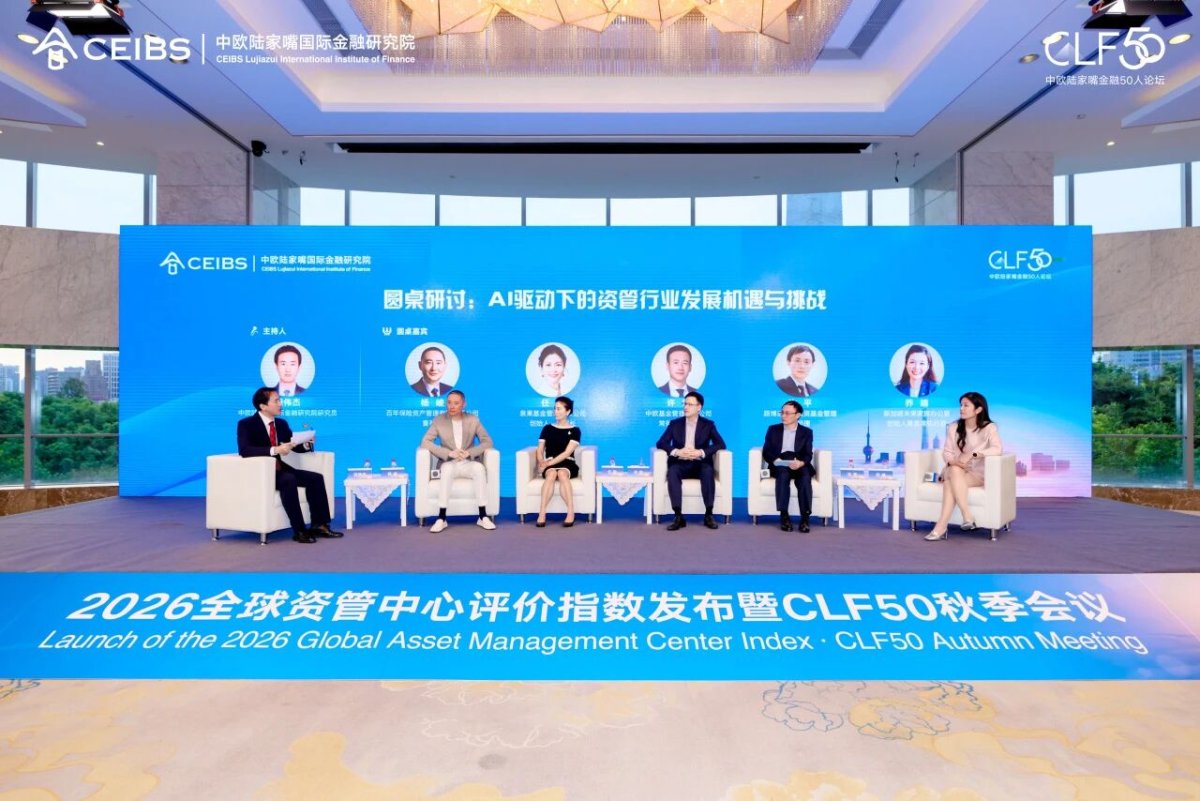
The event also featured a roundtable discussion moderated by CEIBS CLIIF researcher Tian Weijie, bringing together senior executives from insurance asset management, fund management and family offices to explore “Opportunities and Challenges in the Asset Management Industry Driven by AI.”
Covering topics ranging from AI-related opportunities in semiconductors, data centres, energy, storage, networking equipment and robotics to its use inside investment institutions themselves, panellists agreed that AI is expanding the range of investment opportunities and improving research efficiency, but cautioned that technology does not remove the need for fundamental analysis, risk discipline and professional judgement.
The event was hosted by Managing Deputy Director of the CLIIF and Secretary General of the CEIBS Lujiazui Finance 50 Forum (CLF50) Liu Gongrun and supported by the China Financial Information Center, Lujiazui Financial City Council and Shanghai Financial Association, with academic support from Shanghai Finance.