



Shaping the future: CEIBS Europe Forum 2026 advances China-EU dialogue on innovation and global governance in AI

June 24, 2026. Shanghai – As artificial intelligence rapidly transforms industries, economies, and global governance frameworks, the need for dialogue between China and Europe on innovation, governance, and shared development has become more important than ever. While China offers extensive application scenarios, engineering capabilities, and industrial scale, Europe excels in robust governance systems, trusted technology frameworks, and regulatory expertise.
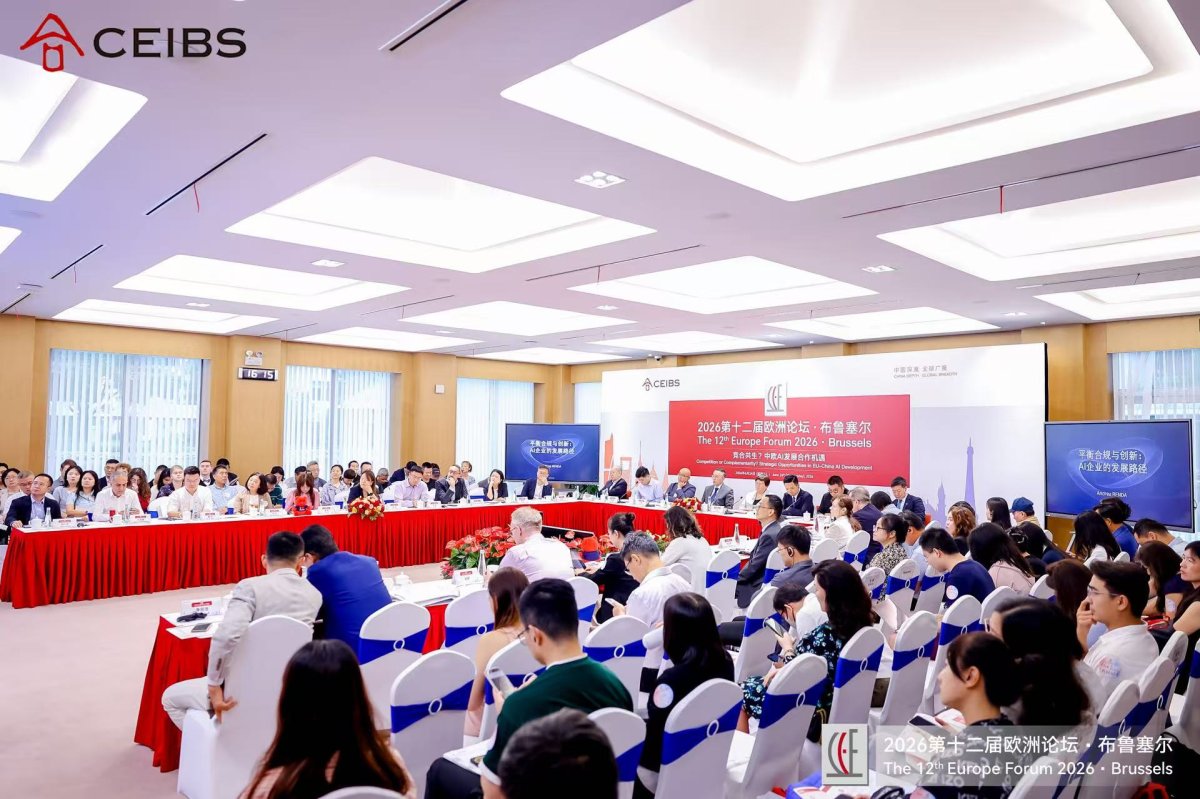
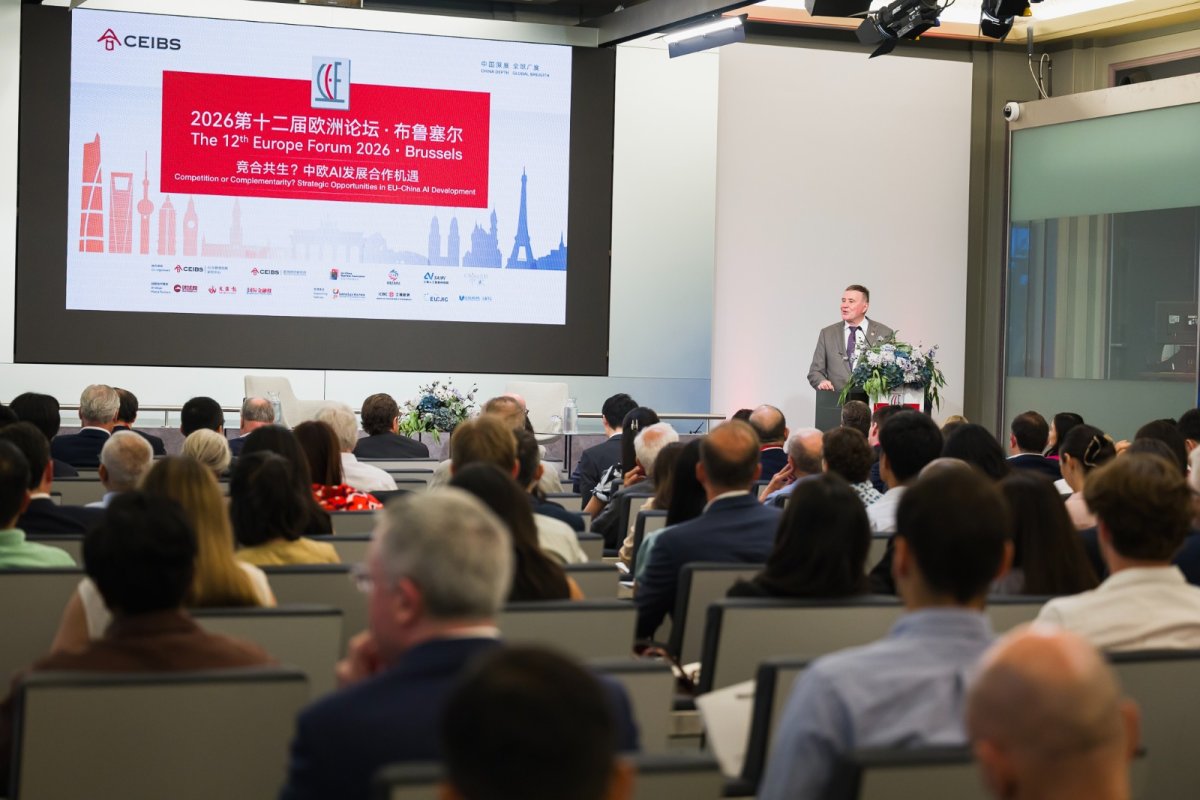
Against this backdrop, China Europe International Business School (CEIBS) held the 12th CEIBS Europe Forum 2026 today across dual venues in Brussels, at Residence Palace, and Shanghai, at the CEIBS Shanghai campus. Organised by CEIBS together with the EU-China Business Association, China Chamber of Commerce to the EU (CCCEU), and other leading institutional partners, the forum brought together policymakers, business leaders, academics, and technology experts from Europe and China to explore the theme of “Competition or Complementarity? Strategic Opportunities in EU–China AI Development.”
Opening the forum, President of EFMD Global and Vice-Chairman of the CEIBS Board of Directors Eric Cornuel highlighted the profound impact of artificial intelligence on industries, organisations, and societies across the world. While AI is creating unprecedented opportunities for innovation, productivity, and growth, he noted that it also raises critical questions around governance, responsibility, trust, and the future of leadership.
“Technology may evolve rapidly, but the decisions that shape its impact remain profoundly human responsibilities," Professor Cornuel remarked, arguing that the future of AI will depend as much on human judgement and stewardship as on technological advancement. He further emphasised the vital role of management education in this transformation, arguing that business schools must cultivate not only technical understanding but also judgement, responsibility, and the ability to lead amid complexity and uncertainty.
Reflecting on the relationship between Europe and China, he noted that the two sides also face many common challenges and opportunities for mutual learning. “This is why institutions like CEIBS are so valuable. Whether the future is shaped more by competition or by complementarity remains an open question. What is certain for me is that responsible industry, strong institutions, and meaningful dialogue will be essential. This is why today's conversation matters,” he concluded.
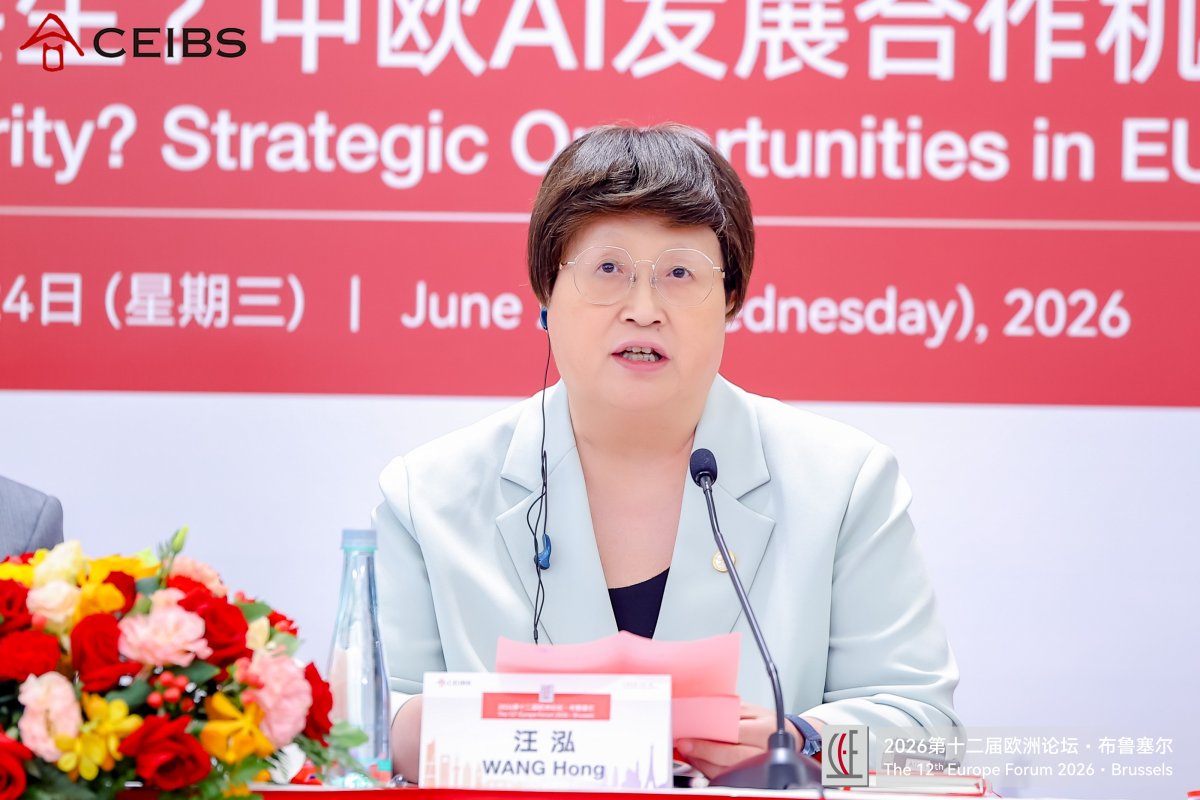
In her welcome address, CEIBS President Wang Hong noted that AI is ushering humanity into an era of unprecedented opportunity and profound uncertainty. She observed that global competition is increasingly shifting between AI-enabled and non-AI-enabled economies, underscoring the technology's strategic significance. "The more intense the competition becomes, the more important dialogue and cooperation are," she said. "No single country, and no single value system, can independently address all the challenges and opportunities brought by AI."
She noted that China, Europe, and the US have adopted distinct approaches to the development of AI. Despite these differences, she argued that China and Europe share an interest in preventing any single technological power from unilaterally defining AI rules. With complementary strengths in industrial scale and governance expertise, they are well positioned to balance global AI governance, underscoring the strategic importance of EU–China cooperation, she said.
She then stated that amid the development of AI, CEIBS actively serves as a bridge between China and the EU; by consistently producing cutting-edge research through its Institute of European Economics and newly launched European Policy Unit, the school is fostering in-depth dialogue and cooperation between China and Europe in the field of artificial intelligence. She called upon participants to engage in in-depth discussion and the exchange of ideas to jointly explore new directions for international cooperation and the future of humanity in the era of AI, striving to contribute to the building of a more open, mutually trusting, and sustainable future.
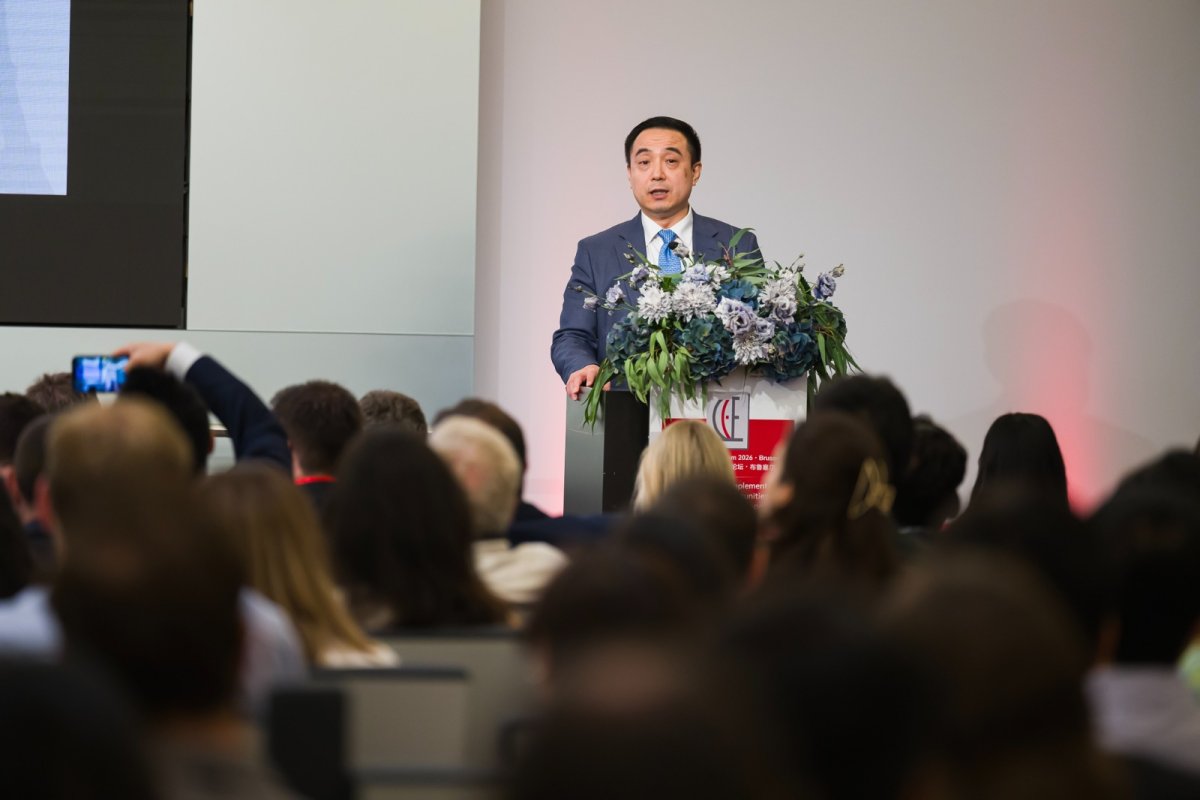
In an opening address, Ambassador Cai Run, Head of the Mission of China to the European Union, highlighted that 2026 marks the beginning of the second 50 years of China-EU relations, a partnership that is increasingly significant amid increasing global uncertainty.
He then outlined three priorities for the future of China–EU relations. First, he stressed that China and the EU are partners rather than rivals, noting that their shared interests and opportunities for cooperation far outweigh their differences. Second, he called for deeper collaboration not only in traditional areas such as trade, education, science, and tourism, but also in emerging fields including artificial intelligence, green development, and the digital economy, pointing to the complementary strengths of both sides in AI, with China leading in large-scale deployment and industrial applications, and Europe excelling in research, advanced manufacturing, and regulatory governance. Third, he emphasised that economic and trade differences should be managed through dialogue and consultation.
Looking ahead, Ambassador Cai called for both sides to expand cooperation, manage their differences constructively, and work together to ensure the steady development of a stable and mutually beneficial China–EU relationship.
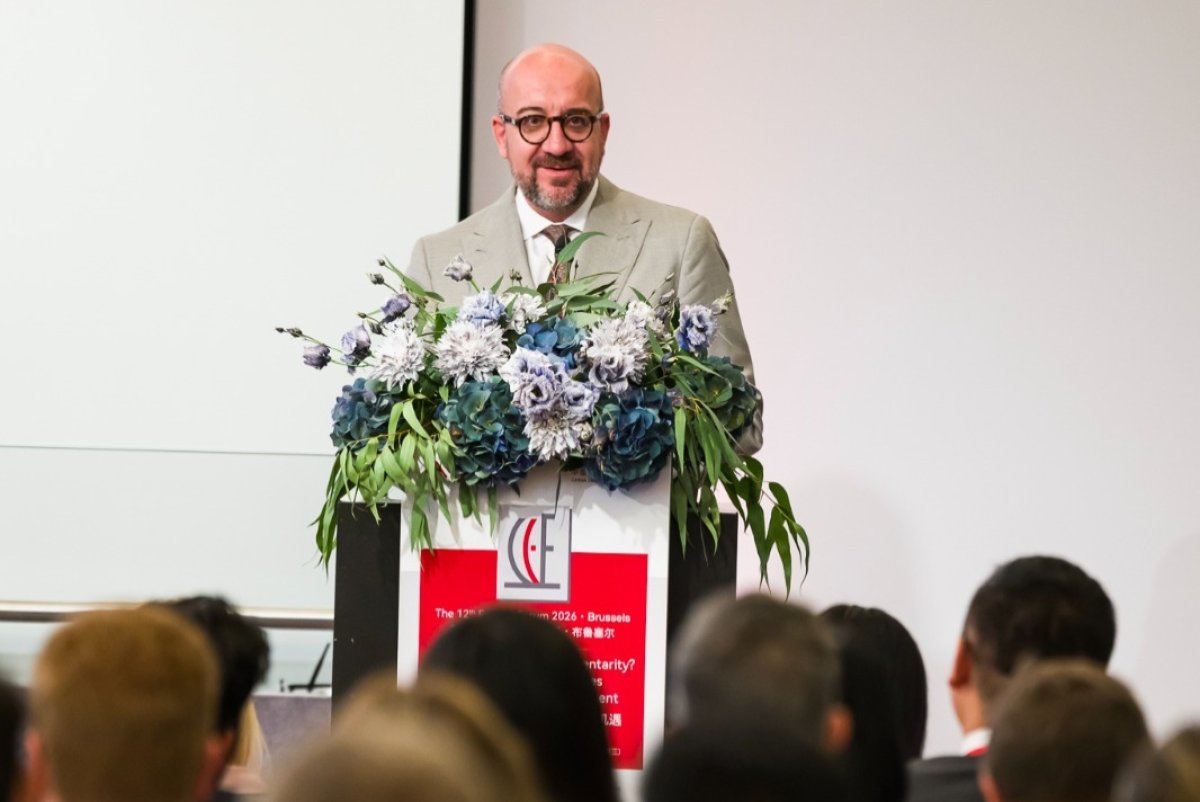
In the event's first keynote speech, Charles Michel, former President of the European Council, former Prime Minister of Belgium, and CEIBS Distinguished Professor, addressed “The Global Order in the Age of Artificial Intelligence: Cooperation, Trust, and Shared Responsibility”. He argued that artificial intelligence has become a defining force reshaping not only economies and industries, but also geopolitics, security, and global power dynamics.
He identified four major global trends shaping the AI era: intensifying strategic competition between China and the United States, the return of armed conflict, the growing influence of middle powers, and the emergence of new domains of competition such as data, semiconductors, and digital infrastructure. “AI is no longer just about technology; it is about sovereignty, leadership, security, and increasingly, power,” he asserted.
He went on to outline three key challenges facing the development of artificial intelligence. First, intensifying competition across the semiconductor and computing ecosystem, where access to advanced chips, critical raw materials, and computing power is becoming increasingly strategic. Second, the physical infrastructure underpinning AI, particularly the significant investment required in data centres, energy systems, and digital networks. Third, governance and regulation, including the need to strike a careful balance between innovation and competitiveness on the one hand, and trust, transparency, privacy, and accountability on the other in an increasingly AI-driven world.
While acknowledging the different approaches taken by Europe, China, and the United States, Prof. Michel emphasised that all sides ultimately share common objectives: strengthening their individual competitiveness, fostering innovation, and securing a place in the economy of the future. Looking ahead, he called for “responsible collaboration” in AI, emphasising the importance of dialogue, multilateral frameworks, and trust to ensure that AI development contributes to a more stable, fair, and inclusive global future.
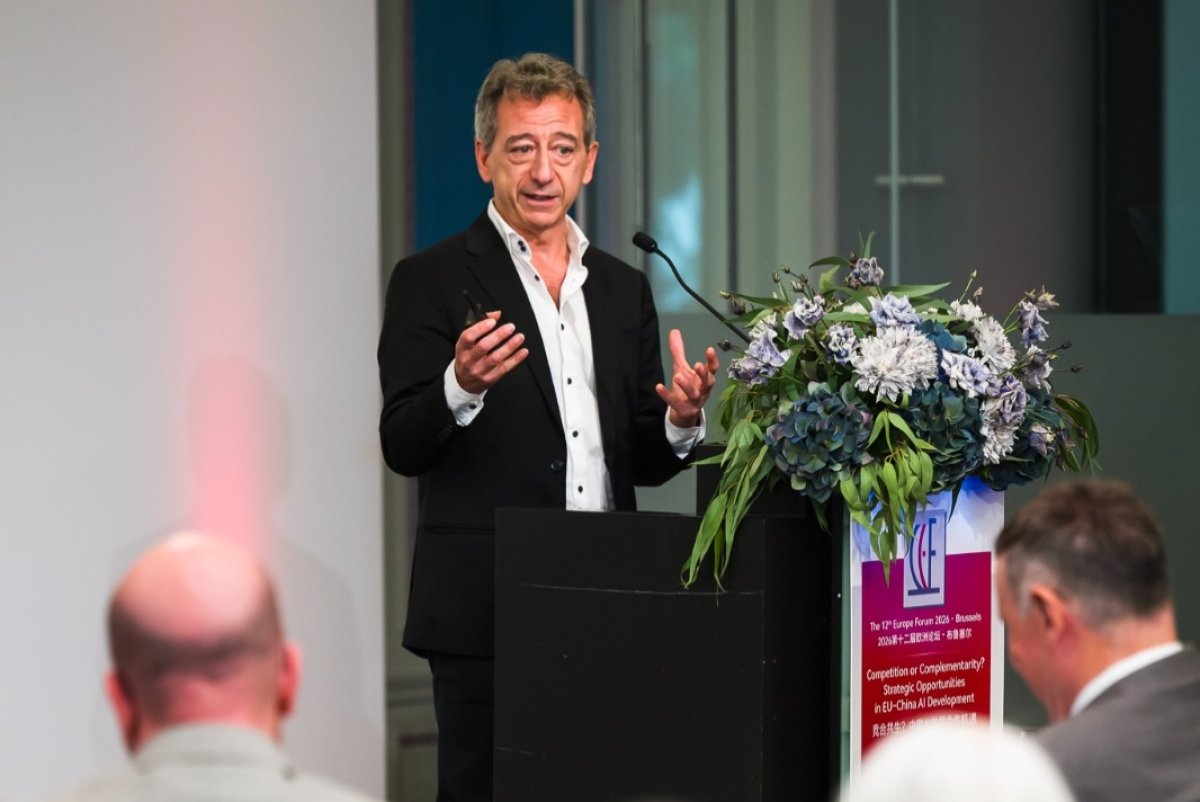
The second keynote was then delivered by Andrea Renda, Director of Research at CEPS, Adjunct Professor of Emerging Technologies at the European University Institute, and Visiting Professor of AI Policy and Governance at the College of Europe in Bruges, on “Balancing Compliance and Innovation: Pathways for AI Enterprises”. Drawing on the concept of "co-opetition", the coexistence of competition and collaboration, he argued that while Europe and China may compete in certain areas, they also share common interests in addressing global challenges like AI.
Prof. Renda observed that the AI race is increasingly moving beyond large language models towards industrial applications, physical AI, infrastructure, and energy efficiency. Drawing on recent data, he acknowledged that the global AI landscape is increasingly shaped by diverging models: the United States leading in investment and frontier technologies, China excelling in large-scale, cost-efficient applications, and Europe maintaining strengths in research, talent, and regulation.
Looking ahead, Prof. Renda called for a more open approach to technological sovereignty. He also emphasised that to leverage its existing strengths and compete with China and the US in the AI race, Europe should seek to strengthen its capabilities, work to translate its leading position in research into application and investment, and proactively retain and attract global talent, while building strategic partnerships with like-minded countries. "If we want to go fast, we can go alone; if we want to go far, we should go together," he concluded.
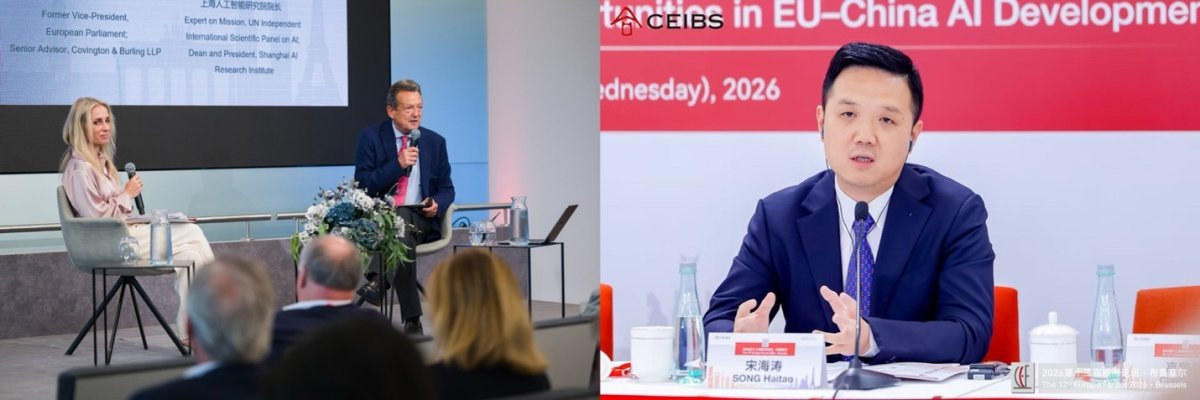
Building on these insights, the discussion then moved to a high-level dialogue on “AI Pathways and Opportunities for China-Europe Cooperation”. Moderated by Ivan Hodac, Founder and Chairman of the Aspen Institute, the discussion featured Dita Charanzová, former Vice-President of the European Parliament and Senior Advisor at Covington & Burling LLP, alongside Song Haitao, Expert on Mission for the UN Independent International Scientific Panel on AI, and Dean and President of the Shanghai AI Research Institute.
During the discussion, Ms. Charanzová emphasised the importance of a pragmatic approach to EU–China cooperation in artificial intelligence. Drawing on her experience in the European Parliament, she noted that while Europe and China are following different regulatory and development paths, cooperation must be built on a mutual understanding of rules and standards, especially in areas such as AI governance and safety. She pointed out that Europe’s strengths in research and regulation, combined with China’s scale in application, create opportunities for joint projects—particularly through business-led collaboration and internationally aligned standards.
Mr. Song underscored the strong complementarity between China and Europe in AI development: China excels in large-scale deployment, rich application scenarios, and rapid industrial integration, while Europe brings deep expertise in governance frameworks, regulatory standards, risk assessment, and ethical oversight. Looking ahead, he stated his hope that both sides can build more inclusive, open and efficient mechanisms for exchange across industry, academia, and business. Furthermore, he emphasised advancing the mutual recognition of standards and integrated supply chain frameworks, enabling the two regions to jointly deliver AI solutions to the Global South and emerging economies.
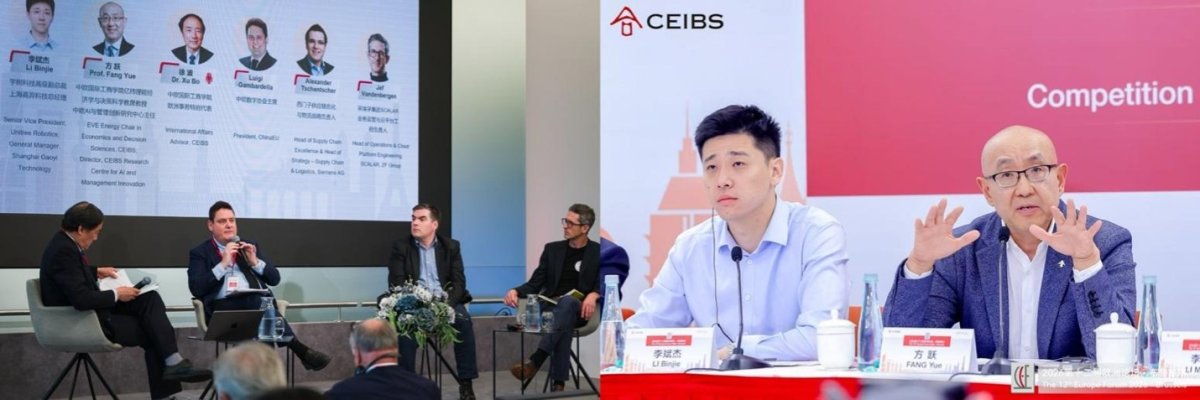
Moderated by Dr. Xu Bo, CEIBS International Affairs Advisor, the following panel featured Fang Yue, CEIBS EVE Energy Chair in Economics and Decision Sciences; Luigi Gambardella, President of ChinaEU; Li Binjie, Senior Vice President of Unitree Robotics and General Manager of Shanghai Gaoyi Technology; Alexander Tschentscher, Head of Supply Chain Excellence and Head of Strategy for Supply Chain and Logistics at Siemens AG; and Jef Vandebergen, Head of Operations and Cloud Platform Engineering at SCALAR, ZF Group. The discussion centred on the topic, “AI & the Reshaping of Industries.”
The speakers collectively highlighted that despite persistent geopolitical tensions and differing regulatory philosophies, tangible pathways forward exist through pragmatic cooperation in standards alignment, industrial use cases, and cross-border talent development. Across sectors such as automotive, robotics, and physical AI, participants identified trust, interoperability, and shared innovation ecosystems as the key foundations for sustainable China–Europe collaboration.
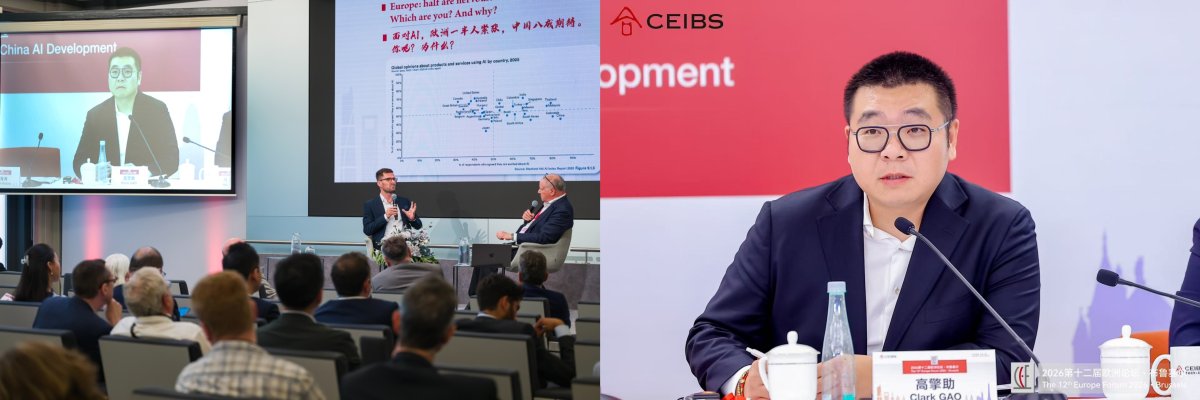
A Young Leaders Dialogue followed, moderated by Dominique Turpin, CEIBS President Emeritus and Professor of Marketing, bringing together emerging voices from Europe and China to share perspectives on how AI is shaping the next generation.
David Timis, AI Energy Impact Fellow at the World Economic Forum and Global Communications and Public Affairs Manager at Generation, highlighted both the promise and risks of AI. He noted its potential to drive innovation in areas like healthcare and education, but warned that it could also widen inequalities—particularly between developed and developing regions—if access to computing power, skills, and governance remains uneven. Clark Gao, Co-founder and CPO of Creao AI and CEIBS MBA alumnus, shared an entrepreneur’s perspective. He expressed optimism about AI’s ability to create new industries and jobs rather than simply displace them, while stressing the importance of learning how to use the technology effectively. Both speakers agreed that education systems must evolve to foster independent thinking and responsible AI use, rather than restricting access, so that younger generations are equipped to shape the technology, not be shaped by it.
In her closing remarks of gratitude, Gwenn Sonck, Executive Director of the EU–China Business Association, shared that amid geopolitical uncertainty and rapid technological change, Europe and China are more interdependent than ever. She pointed to strong complementarities across their innovation ecosystems, markets, and industrial capabilities. Noting that China remains a critical market and innovation hub for European companies, she emphasised that European engagement in China is also essential for maintaining global competitiveness. To strengthen EU–China cooperation in the AI era, she called for deeper dialogue, exchange, and mutual understanding.
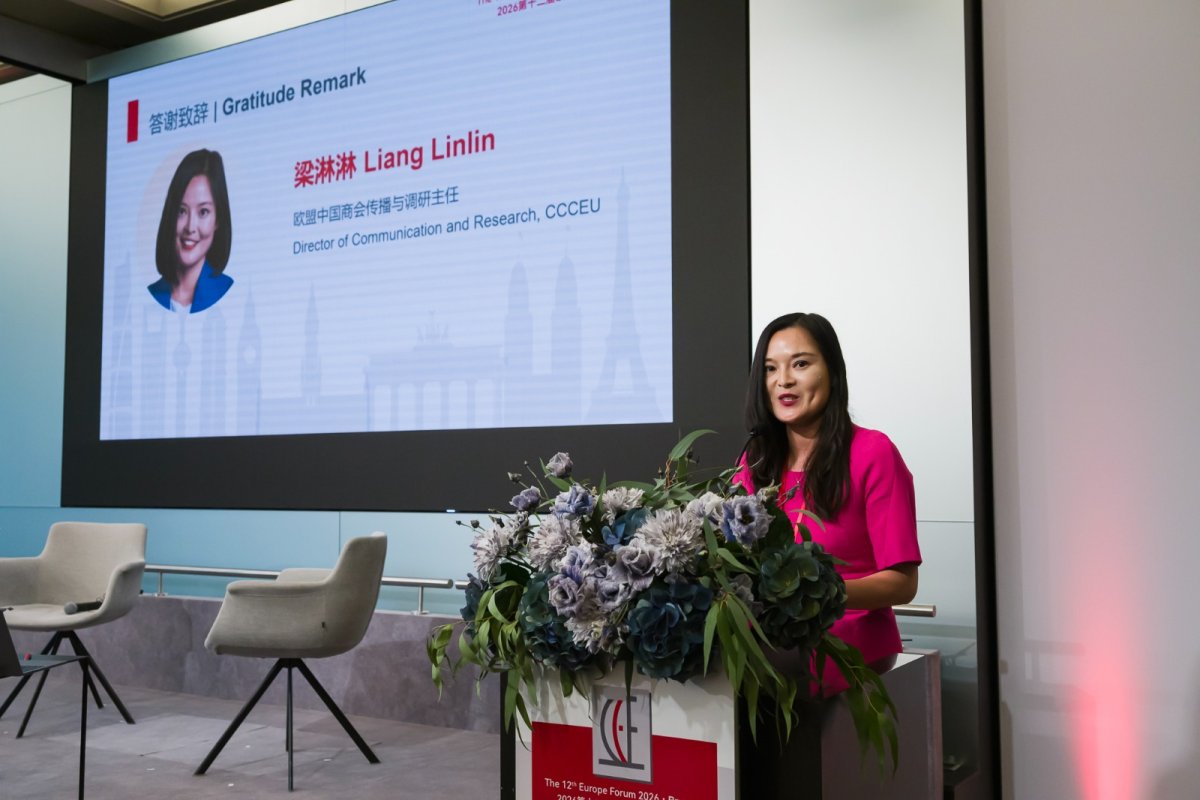
Liang Linlin, Director of Communication and Research at the CCCEU, then expressed strong appreciation to the organisers, speakers, and participants at the event, noting the importance of convening business voices in AI discussions. Representing over 1,000 Chinese companies operating in Europe, she emphasised that artificial intelligence is of growing strategic importance to both industry and society. Reaffirming these enterprises' continued confidence in EU–China cooperation, she stressed that they deeply value the European market and remain dedicated to deepening their engagement despite an evolving landscape.
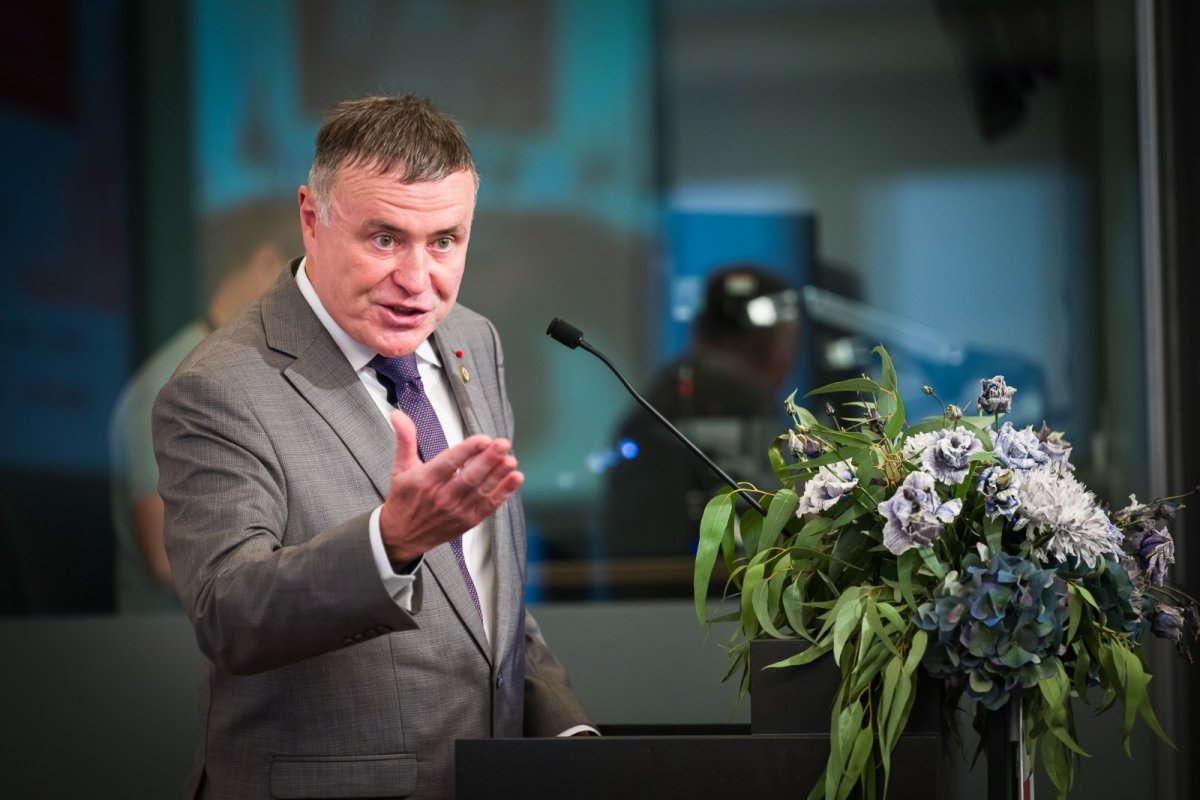
The event was hosted by CEIBS Co-President (European) Frank Bournois. He noted that while competition between Europe and China is natural and can serve as a driver of innovation, it is insufficient on its own to address the complexity and global impact of artificial intelligence. Given the scale of shared challenges, from energy and climate to healthcare, cybersecurity, and ethics, he emphasised that no country or region can act alone.
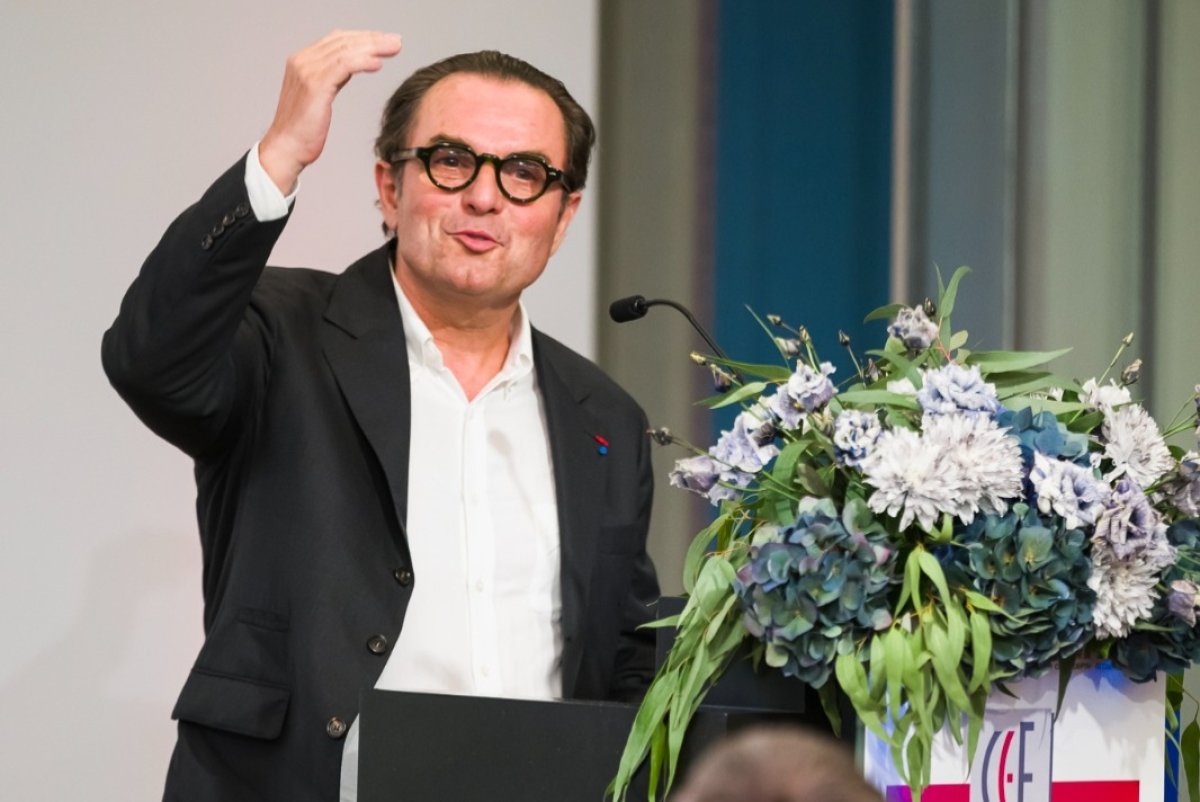
Prof. Bournois underscored that the central challenge is not whether or not competition will persist, but whether it can be transformed into constructive engagement. “The real formula we need is unity and trust”, he said, suggesting that this principle reflects the core value of EU–China collaboration. As a global business school jointly founded by the European Union and China, he added, CEIBS remains committed to building bridges between China and Europe, not only for the present generation, but also for those to come.
The 12th CEIBS Europe Forum demonstrates the school’s commitment to bridging China, Europe, and the world. Since its launch in 2012, the Europe Forum has hosted 33 events across seven European countries. Over 200 speakers from political, business, and academic circles worldwide have taken part, alongside more than 8,000 international attendees. Together, they have engaged in discussions on pressing topics facing China, Europe, and the world, contributing to deeper economic and cultural ties. Through such open and constructive exchange, CEIBS will continue to explore new pathways for EU-China collaboration.
About CEIBS
China Europe International Business School (CEIBS) was jointly established in 1994 by the European Union and the Chinese government and remains the only business school in China founded through government-to-government collaboration. Guided by its motto of “Conscientiousness, Innovation, and Excellence,” CEIBS is committed to developing responsible leaders equipped with “China Depth, Global Breadth”. The school has established a global footprint across five locations on three continents - Shanghai, Beijing, and Shenzhen in China; Zurich in Switzerland; and Accra in Ghana - becoming a top-tier business school in Asia and a globally recognised institution.
CEIBS also serves as a bridge for economic and cultural exchange between China, Europe, and the wider world. The school offers a wide range of programmes, including a full-time English-language MBA, Finance MBA (FMBA), Global Master in Management (Global MiM), EMBA, Global EMBA (GEMBA), Hospitality EMBA (HEMBA), Doctor of Business Administration (DBA), PhD, and Executive Education (EE) courses. CEIBS was the first business school on the Chinese mainland to earn accreditation from both the European Quality Improvement System (EQUIS) and the Association to Advance Collegiate Schools of Business (AACSB). For ten consecutive years, CEIBS has been ranked the No.1 MBA programme in Asia in the Financial Times Global MBA Ranking, while its Global EMBA programme has been ranked in the global top two worldwide in the Financial Times EMBA Ranking for six consecutive years.