



New directions in a changing world: CEIBS 2026 Annual Forum explores the forces shaping Our future
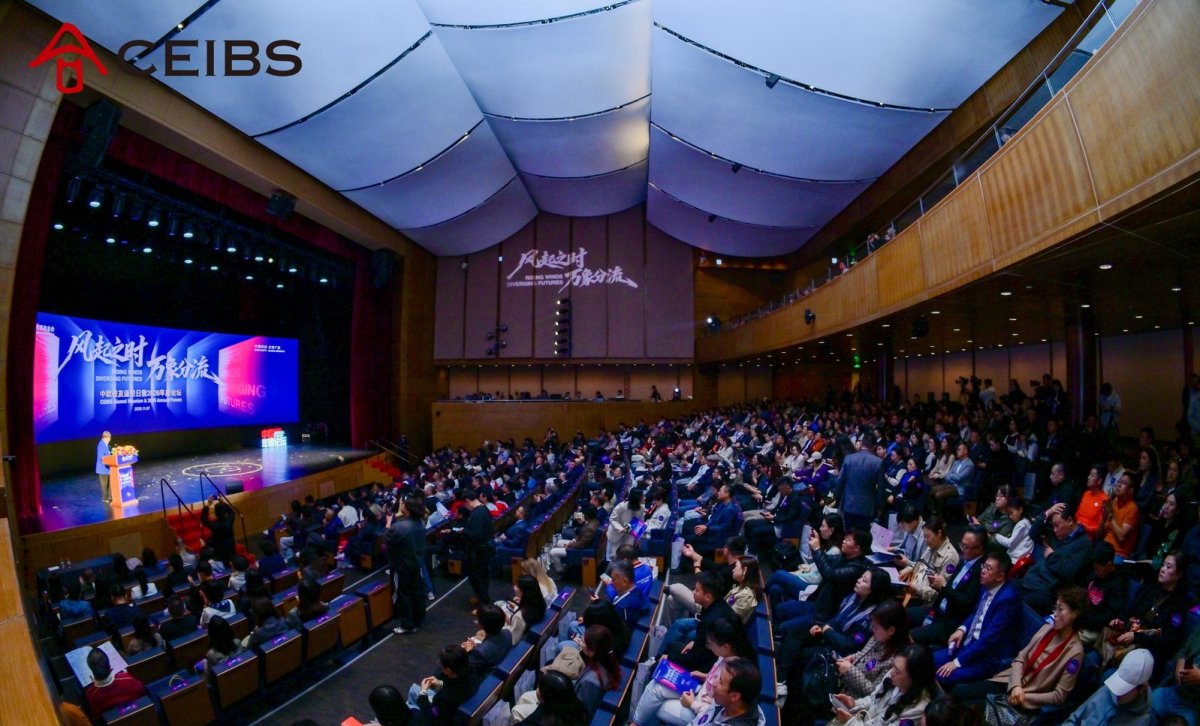
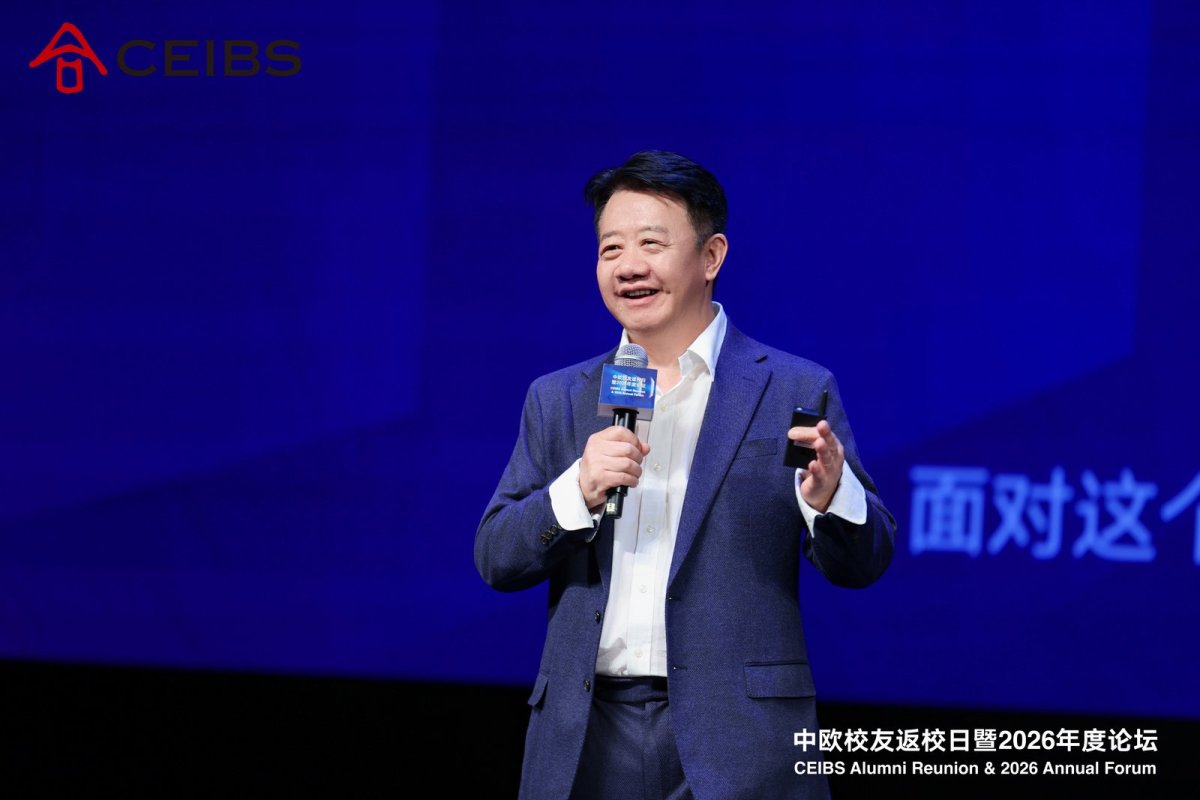
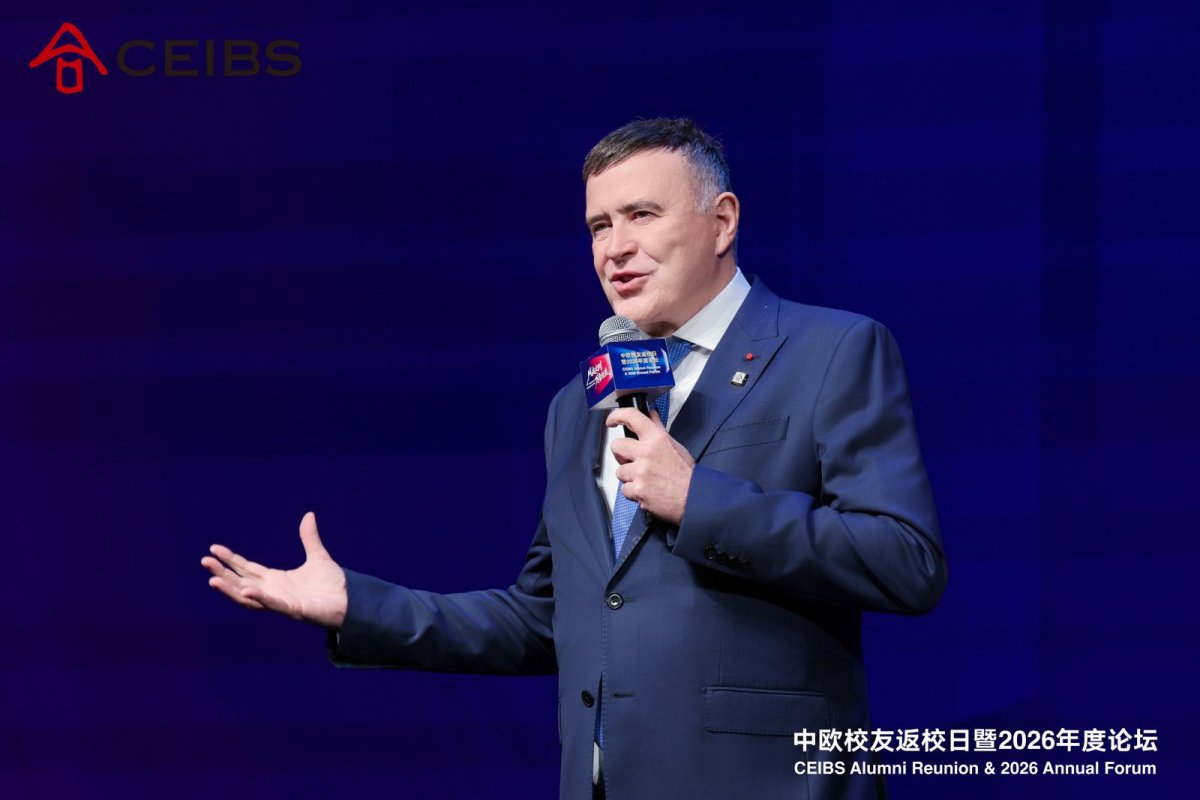
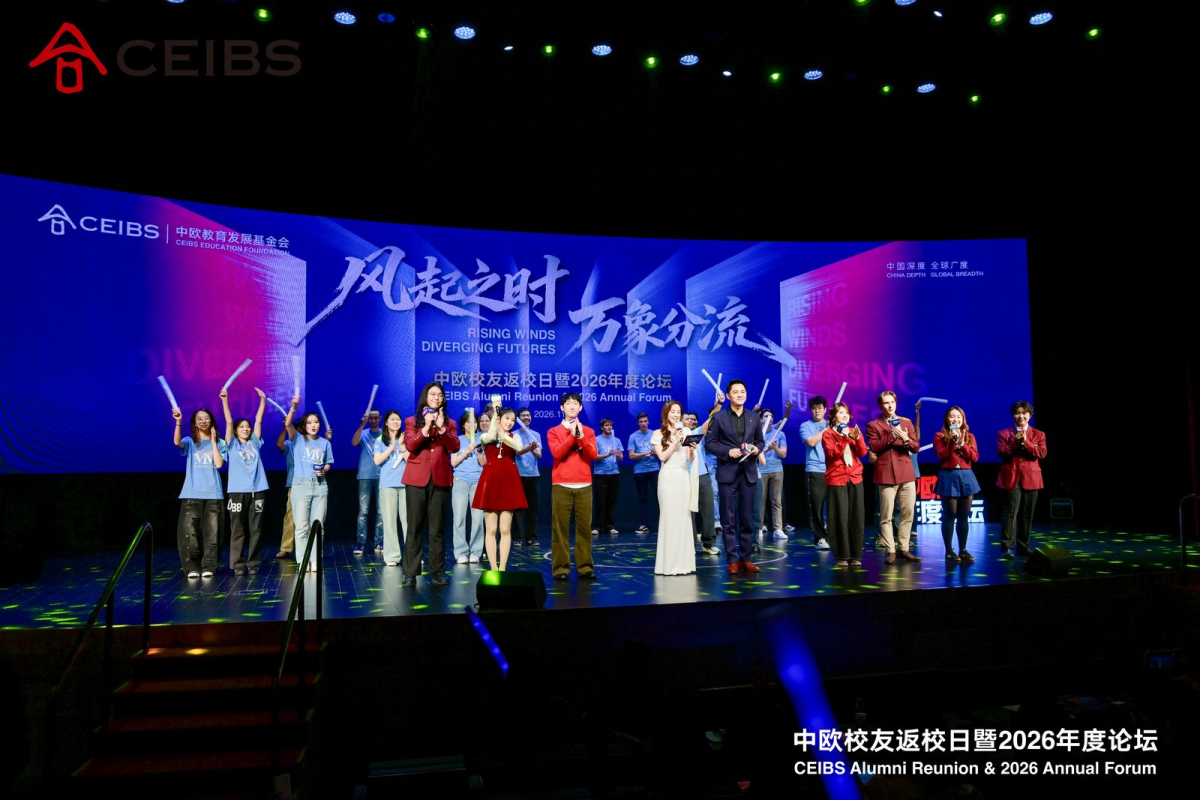

November 7, 2026, Shanghai – The CEIBS Alumni Reunion and 2026 Annual Forum was held at the school's Shanghai campus today, bringing together leading scholars, business leaders, cultural figures and CEIBS alumni to explore how businesses and individuals can navigate an increasingly complex and uncertain world.
Under the theme "Rising Winds, Diverging Futures", the forum consisted of three parts addressing topics including the evolving global order, artificial intelligence (AI) and innovation, China's technology value chain, and the choices facing individuals in an era of profound transformation. Covering global geopolitical and technological shifts and their implications for business, the discussions ultimately turned to the role and value of individuals in an increasingly AI-driven world.
Navigating a World of Diverging Futures
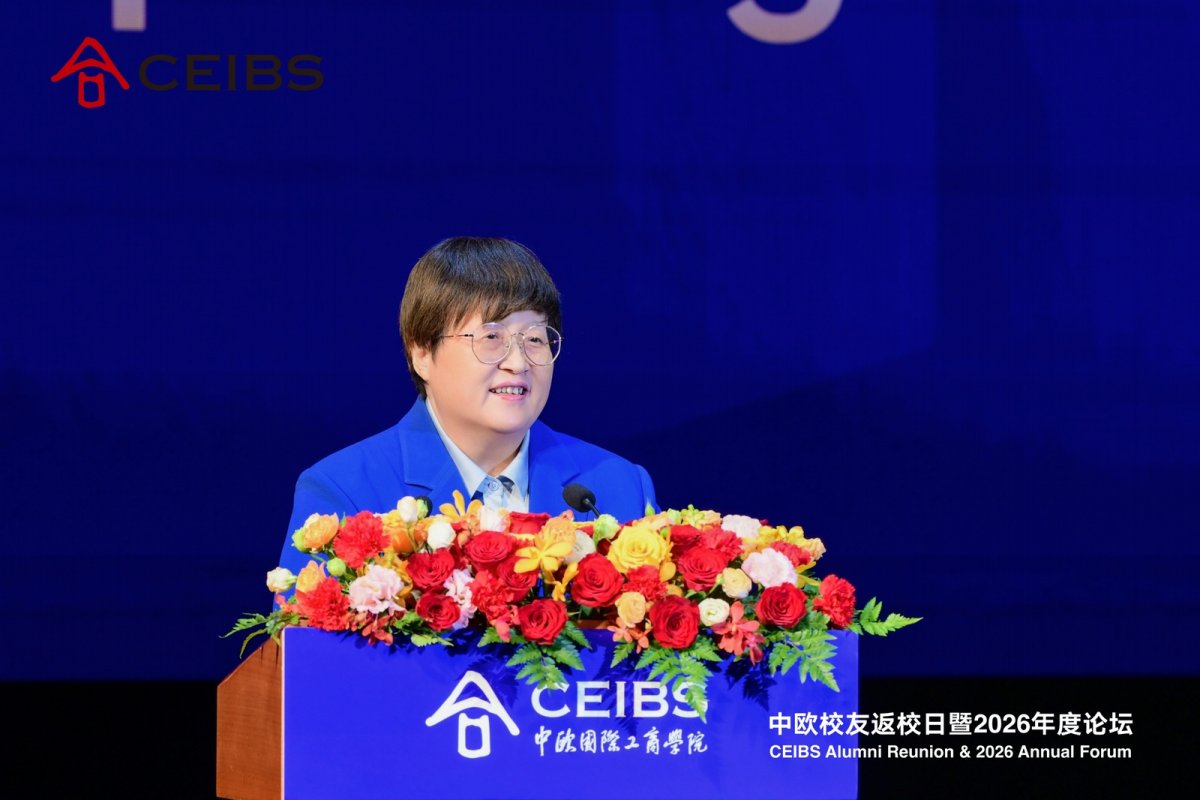
Beginning Part one, focused on the theme "A Changing World", CEIBS President Wang Hong opened the forum by reflecting on the profound changes reshaping the world. She noted that the world is at a critical historical juncture as profound global changes accelerate, geopolitical conflicts continue to erupt, and the global economy navigates a period of volatility and uncertainty. Shifts in the international order and rapid technological advances, particularly in artificial intelligence (AI), are unfolding simultaneously and reinforcing one another, she said, driving far-reaching transformation while creating new opportunities.
Reflecting on the forum's theme, President Wang observed that individuals, businesses and nations are each seeking their own paths forward. Individuals are reassessing their priorities and aspirations, businesses are exploring new models and sources of growth, and countries are navigating a new balance between openness and security.
"Divergence does not mean division. Rather, it reflects the pursuit of different paths, each with its own strengths and possibilities," she said. As AI continues to reshape the world, she added, fundamental questions about human value and the future of humanity warrant renewed attention.
President Wang emphasised that in an increasingly diverse and complex world, the ability to build connections has become both rare and invaluable. As an international business school jointly established by the Chinese government and the European Union, CEIBS has long served as a bridge between China, Europe and the wider world, she added, and through its global faculty and alumni community fosters dialogue and understanding across geographical and disciplinary boundaries.
Concluding her remarks, President Wang reaffirmed CEIBS' commitment to working with partners around the world to navigate uncertainty, embrace new opportunities and move forward together towards a brighter future.
A Historic Turning Point: Corporate Strategy Amid a Shifting Global Order
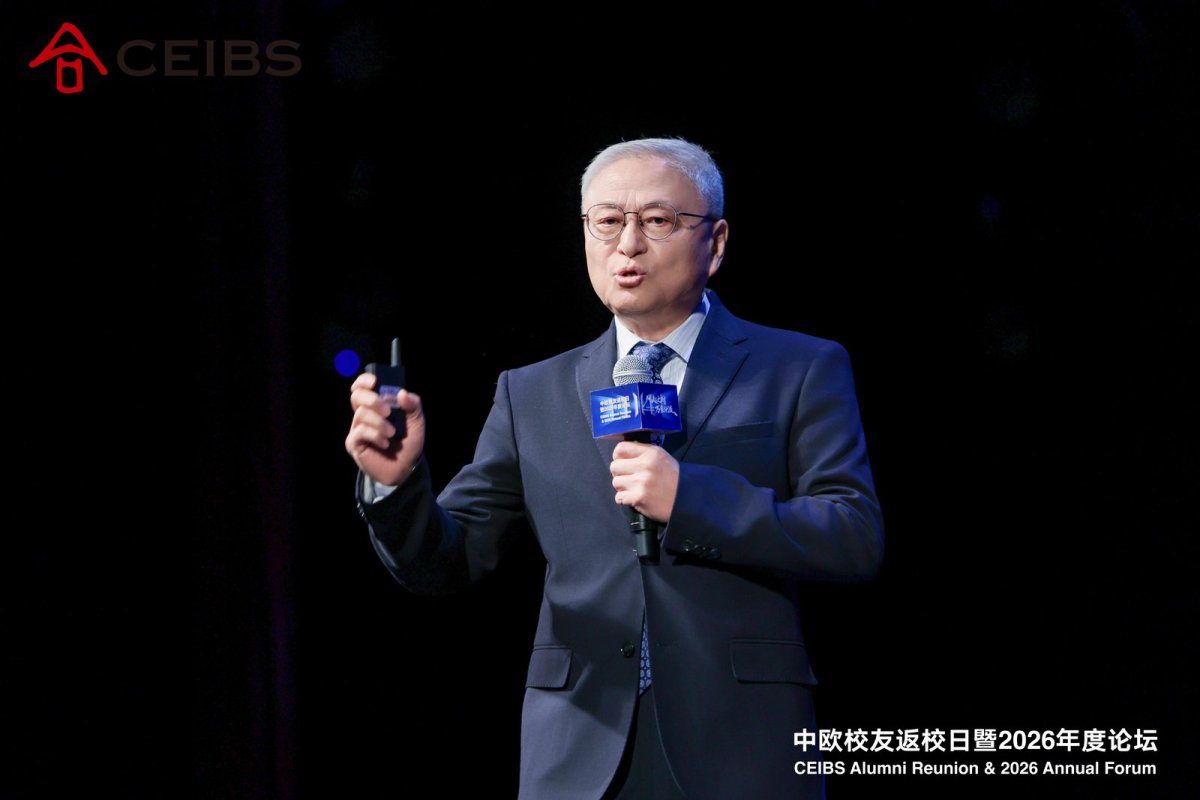
In a keynote speech, Yan Xuetong, Distinguished Professor and Honorary Dean of the Institute of International Relations at Tsinghua University, then examined shifts in the global balance of power, the international order and China-US relations.
Prof. Yan noted that while governments around the world frequently refer to "multipolarity" as an aspiration for how the world should operate, the reality, from an academic perspective, is that the international system is already taking on a bipolar structure dominated by China and the US.
Defining the global power structure in terms of the relative strengths of countries, he predicted that both China and the US would widen their lead over other nations over the next decade, making the emergence of a truly multipolar world unlikely.
He also identified artificial intelligence as one of the most significant forces shaping today's international order, noting that China and the US are currently the only two countries capable of competing in the development of large language models. Looking ahead, he suggested that the world could become divided into three tiers based on technological capabilities: countries that set AI technology standards, those that apply AI technologies, and those that purchase AI products and services.
Prof. Yan also stated, however, that a bipolar international structure does not necessarily herald a new Cold War, arguing that future competition between major powers would not centre on ideological confrontation or proxy wars.
Assessing the political environment in developed countries, he attributed the rise of populism and growing discontent among the middle classes partly to the widening inequalities brought about by globalisation. The increasing emphasis on economic security over development, he argued, has fuelled protectionism, while human rights norms have also suffered setbacks amid ongoing conflicts. In his view, the international order is shifting towards deglobalisation, he said, a trend unlikely to reverse within the next decade.
Turning to China-US relations, Prof. Yan predicted that strategic competition would continue throughout the Trump administration, with US sanctions against China likely to intensify and China likely to respond with countermeasures. Nevertheless, he believed the two countries could avoid military conflict. In the longer term, he saw little prospect of reversing the downward trajectory of bilateral relations, regardless of which political party holds power in the US.
Prof. Yan concluded by observing that for an increasing number of countries, strategic choices between China and the US are becoming closely tied to whose AI technologies and services they adopt.
The Next Frontier: AI Innovation and the Transformation of Business
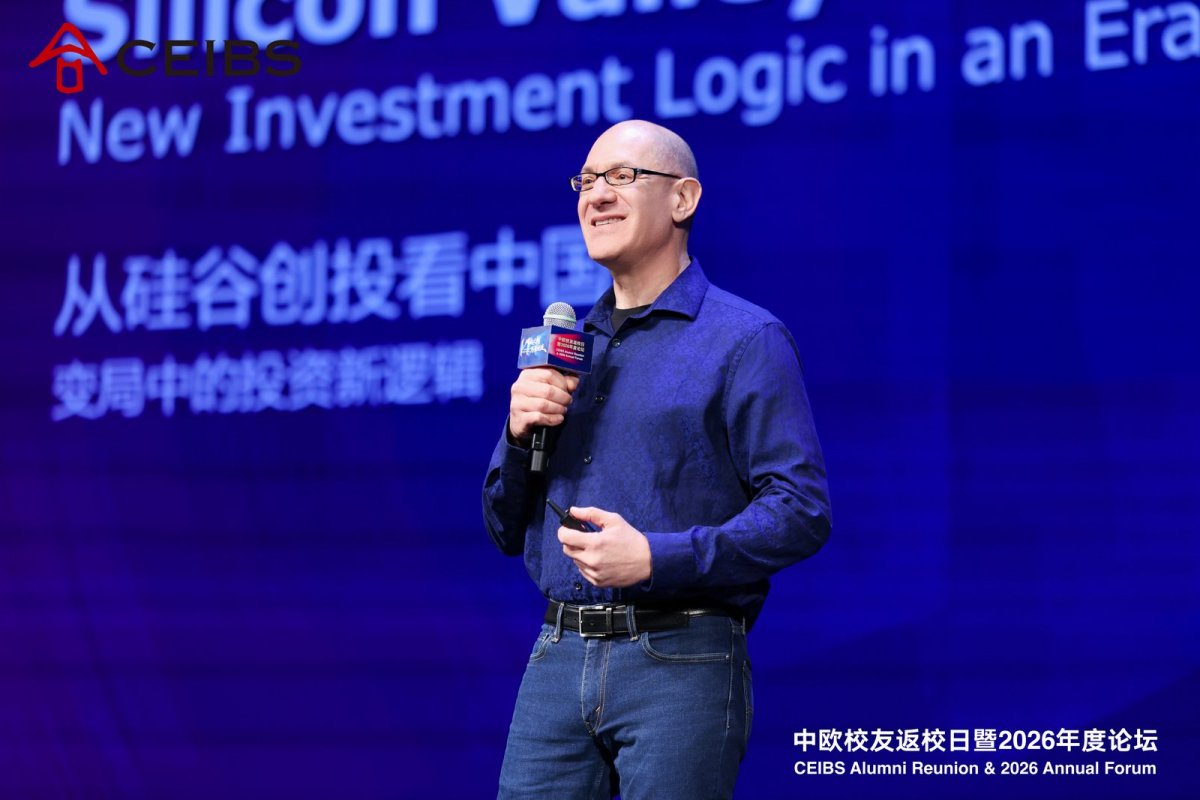
The forum then turned to technological innovation and entrepreneurship with a keynote address by Steve Hoffman, Chairman and CEO of Founders Space and author of Make Elephants Fly, titled "China Through the Lens of Silicon Valley Venture Capital: New Investment Logics in an Era of Transformation".
Drawing on his extensive experience in Silicon Valley's venture capital and entrepreneurial ecosystem, Mr. Hoffman explored the next wave of AI innovation and its implications for businesses and investors in China and the US. Looking beyond established technology players such as OpenAI, Google and NVIDIA, he highlighted emerging opportunities in AI agent swarms, personal AI assistants, investment beyond infrastructure, and AI-first business models. He envisioned a future in which companies could deploy "hundreds, even thousands of agents interacting with each other", fundamentally changing how organisations operate.
As AI evolves from answering questions to taking actions, he argued, companies are beginning to move beyond traditional software subscription models towards charging for completed tasks and measurable results. Drawing on examples from customer service, healthcare and legal services, he compared emerging Silicon Valley businesses with their Chinese counterparts, highlighting divergent approaches to AI adoption, pricing and value creation.
Looking beyond commercial applications, he also raised broader questions about AI's implications for employment, international cooperation on AI safety, and human agency. "In the future, how can we, as a society and as the human race, protect human agency when AI can become so good and so useful that we trust it more than we trust ourselves?" he asked, emphasising the need to confront these challenges collectively as AI continues to advance.
The Next Round of the China–US AI Race
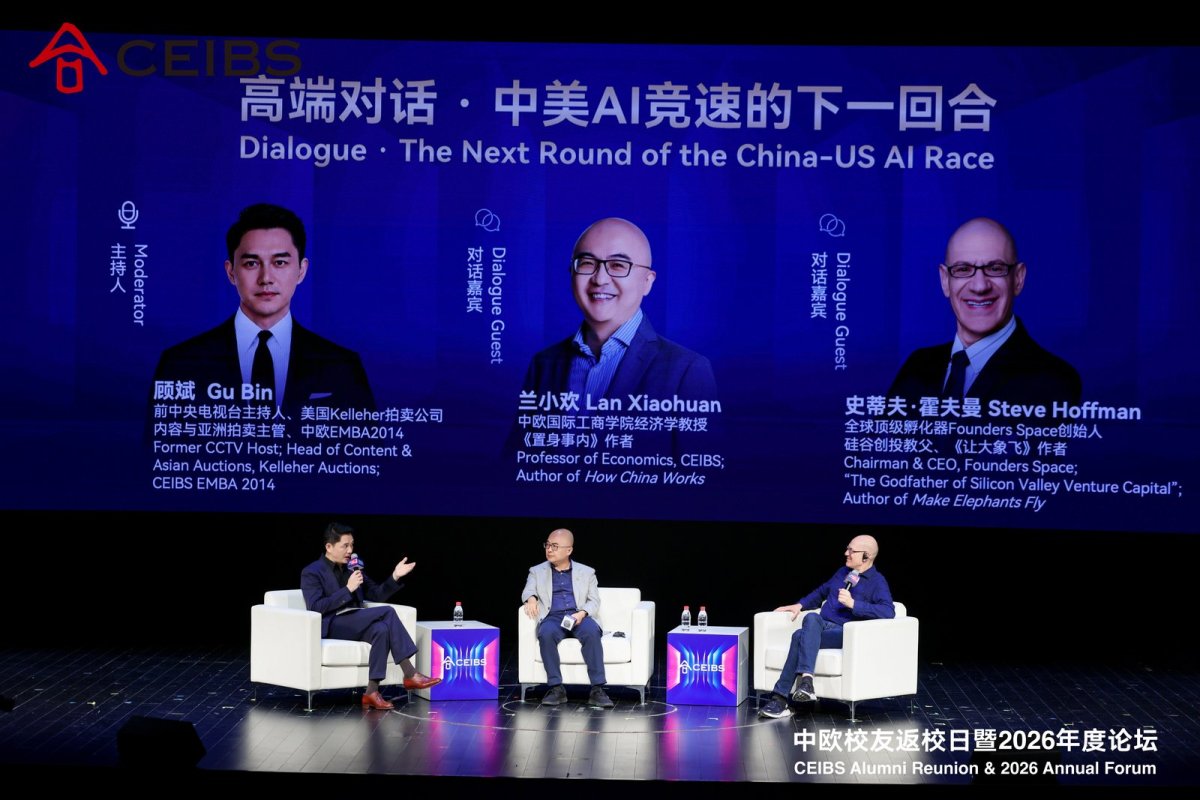
The discussion continued with a dialogue on "The Next Round of the China–US AI Race", featuring Steve Hoffman along with Lan Xiaohuan, CEIBS Professor of Economics and author of the bestselling How China Works. The session was moderated by Gu Bin, former CCTV Host, Head of Content & Asian Auctions at Kelleher Auctions, and CEIBS EMBA 2014 alumnus. The discussion explored China-US AI competition from multiple perspectives, including investment, technological development, the global expansion of open-source models, and broader implications for society.
Prof. Lan described AI as a genuine technological revolution but cautioned against drawing premature conclusions about which country is leading the race. He also noted that private investment figures fail to capture China's substantial spending on power grids and computing infrastructure. Comparing computing power, chips and electricity to gears turning at different speeds, he argued that these differences could create both friction and new business opportunities.
On open-source AI, Prof. Lan advocated greater openness, noting that open-source models allow businesses to deploy AI locally. He suggested that Chinese AI companies expanding overseas should be led by customer bases, data, and supply chains.
Looking ahead, he identified society's ability to adapt to AI-driven disruption as a major challenge, particularly for China and the US as early adopters. He also urged businesses to "believe in people", arguing that as AI increasingly leads to similar conclusions, individuals willing to challenge conventional thinking will become even more valuable.
Steve Hoffman agreed that AI represents a transformative technology, distinguishing it from other technological advances like virtual reality through its ability to deliver tangible value. He warned, however, that the enormous investment required to sustain AI development has brought capital markets to a turning point.
He observed that China's lower labour and infrastructure costs give it an advantage in capital efficiency, while the gap between Chinese AI models and leading US models continues to narrow.
Nevertheless, concerns over data security and trust could prompt the US government to restrict the use of Chinese open-source models, he added. He identified technological self-reliance as a central challenge for both countries, noting that each increasingly views AI leadership as critical to its sovereignty and global standing. The US, he added, also faces constraints in energy supply and data centre development. Addressing CEIBS alumni directly, he encouraged businesses to use AI to challenge established ways of thinking and existing business models, and to uncover new opportunities.
From Global Trends to Business Realities
Part two of the forum, themed around "Transforming Business", shifted the focus from global developments to the practical challenges and opportunities facing businesses.
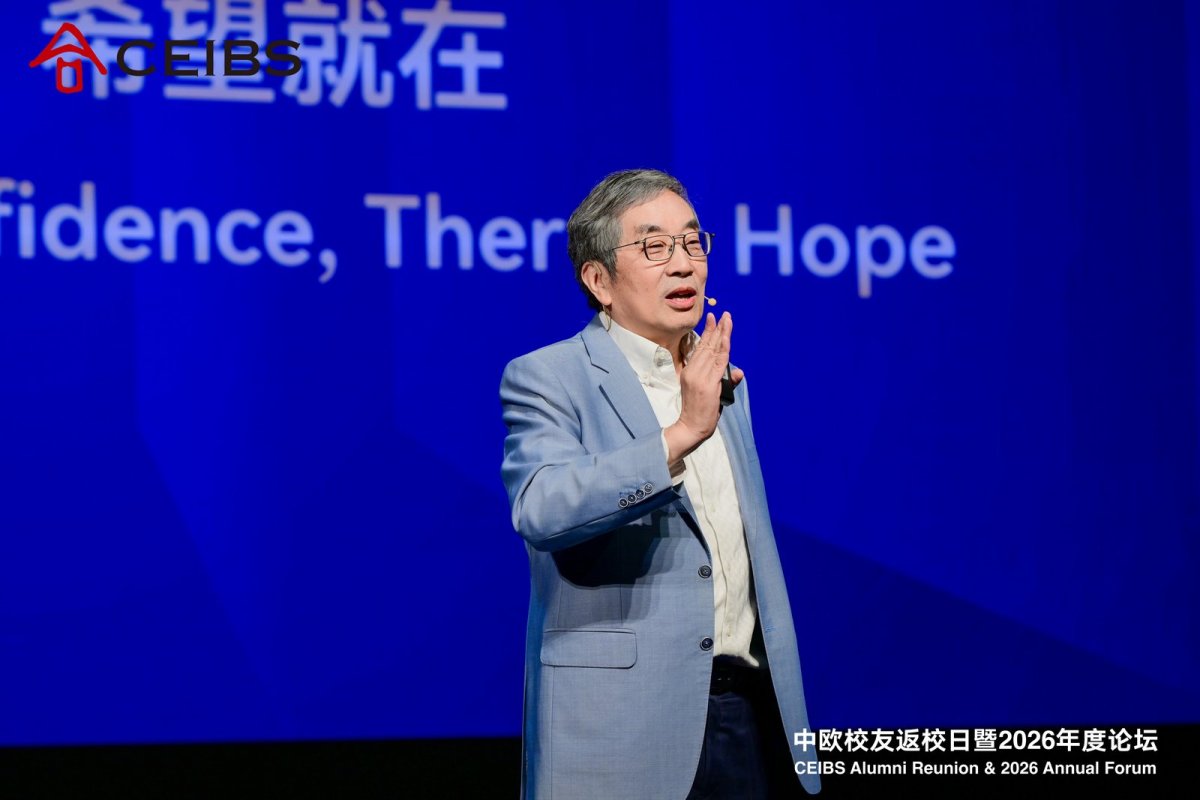
Drawing on publicly available data and a survey of CEIBS alumni, CEIBS Professor Emeritus Su Xijia presented an overview of the performance and outlook of CEIBS alumni enterprises through 2026.
Data from 567 publicly listed companies associated with CEIBS alumni showed that they outperformed the broader market in both scale and financial performance. Meanwhile, a survey of 437 alumni revealed a more mixed picture: around a quarter reported improvements in business performance, while more than half believed conditions in their respective industries had deteriorated, with intense competition, known in Chinese as neijuan ("involution"), identified as the biggest challenge.
Despite these pressures, alumni remained generally optimistic, with around 40% expecting conditions to improve in 2027. Turning to the impact of AI on business education, Prof. Su suggested that knowledge delivery would be among the functions most easily replaced by AI. He anticipated a fundamental shift in teaching methods and curricula, with experiential learning and real-world classrooms playing an increasingly important role in the future of business education.
The session also featured a special segment welcoming alumni from CEIBS EMBA 2019 Shanghai Class 5 back to campus. Alumni representatives shared their personal and professional journeys, from navigating career transitions and embracing lifelong learning to expanding businesses overseas and adapting to the AI era. Their stories highlighted not only their diverse paths since graduation, but also the enduring bonds connecting CEIBS alumni with their alma mater.
China's Technology Value Chain in the AI Supercycle
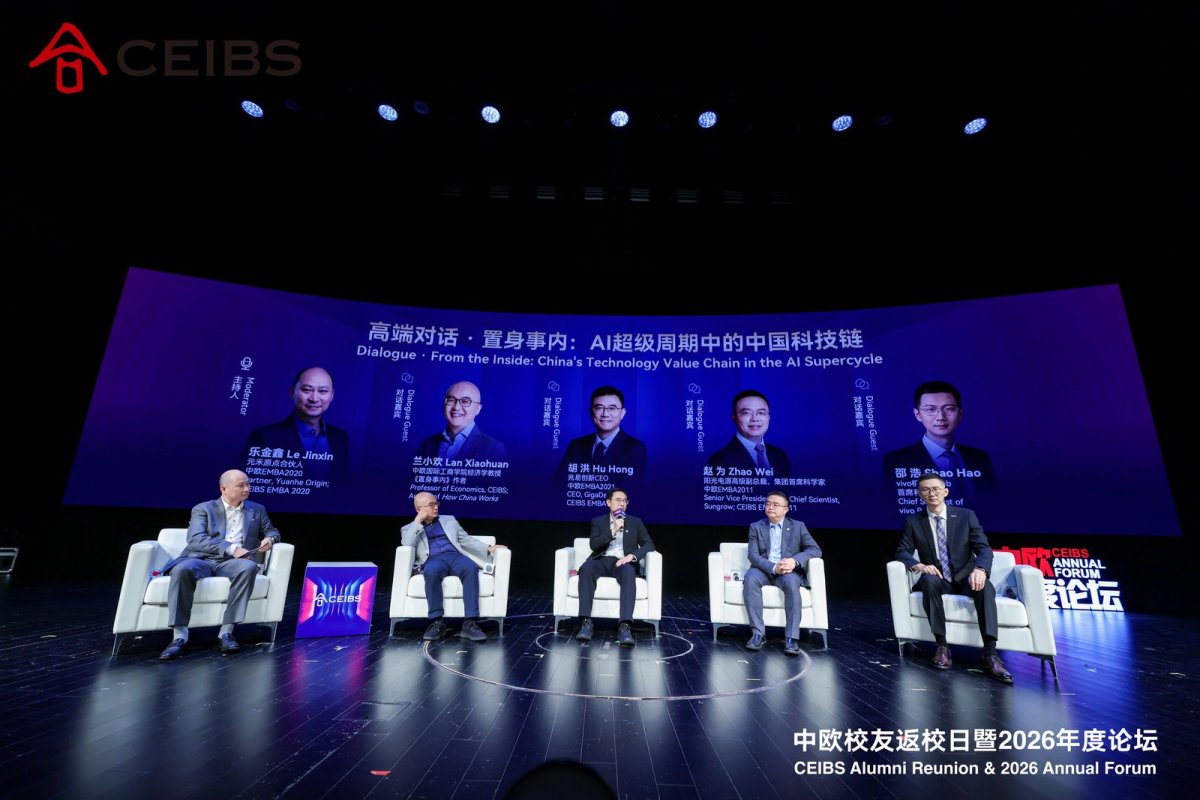
A high-level dialogue titled "From the Inside: China's Technology Value Chain in the AI Supercycle" then brought together academic and business perspectives from China's semiconductor, energy and consumer technology industries to explore the new demands and opportunities emerging from AI development, as well as the practical challenges that businesses face in international expansion, organisational transformation, and collaboration across the technology value chain.
Moderated by Le Jinxin, Partner at Yuanhe Origin and CEIBS EMBA alumnus, the discussion featured Lan Xiaohuan, CEIBS Professor of Economics; Hu Hong, CEO of GigaDevice and CEIBS EMBA alumnus; Zhao Wei, Senior Vice President and Chief Scientist of Sungrow and CEIBS EMBA alumnus; and Shao Hao, Chief Scientist of vivo Robotics Lab.
Mr. Hu described AI not as a short-term cyclical boom, but as a sustained wave of growth that could last five to ten years. Even when supply and demand eventually return to balance, he argued, the industry will have reached a new level of scale. He urged businesses to become creators of value rather than simply sharing in the value created by others, while remaining open, agile and entrepreneurial in embracing AI.
Mr. Zhao highlighted the growing convergence of AI and renewable energy, arguing that the two would increasingly reinforce each other. As demand for computing power translates into rising electricity needs, requirements for green energy and emerging technologies could create significant opportunities, he said. AI, in turn, could become the "brain" of future power systems. Against a backdrop of intense domestic competition and overcapacity, he encouraged Chinese companies to pursue global expansion while building strong local capabilities in overseas markets.
Mr. Shao shared vivo’s long-term vision for robotics, with a focus on unmet household needs such as cleaning and organising living spaces. He argued that businesses need not wait for technologies to fully mature before entering a new field, provided there is genuine user demand, a viable path for technological advancement, and an opportunity to build long-term capabilities.
Prof. Lan noted that conventional economic indicators may struggle to capture AI's true value, which may only become apparent once the technology is integrated across entire business operations. While China benefits from one of the world's deepest and most extensive networks of manufacturing expertise, he cautioned that AI adoption in manufacturing would likely progress more slowly than in areas such as software development, given the physical world's constraints, including safety requirements and regulatory standards.
Summing up the discussion, moderator Mr. Le observed that AI is reshaping the nature of production inputs but is currently being used primarily to improve efficiency and compete for existing market share, rather than create entirely new business models. The real paradigm shift, he suggested, is yet to come. As AI gradually frees people from certain forms of labour, the pursuit of a higher quality of life could become a major driver of future economic growth.
The Human Dimension: Rethinking Education and Purpose in the Age of AI
The forum's third and final chapter shifted the focus from industry and technology to "Human Agency", exploring how individuals can navigate uncertainty, adapt to rapid change, and retain a sense of purpose.
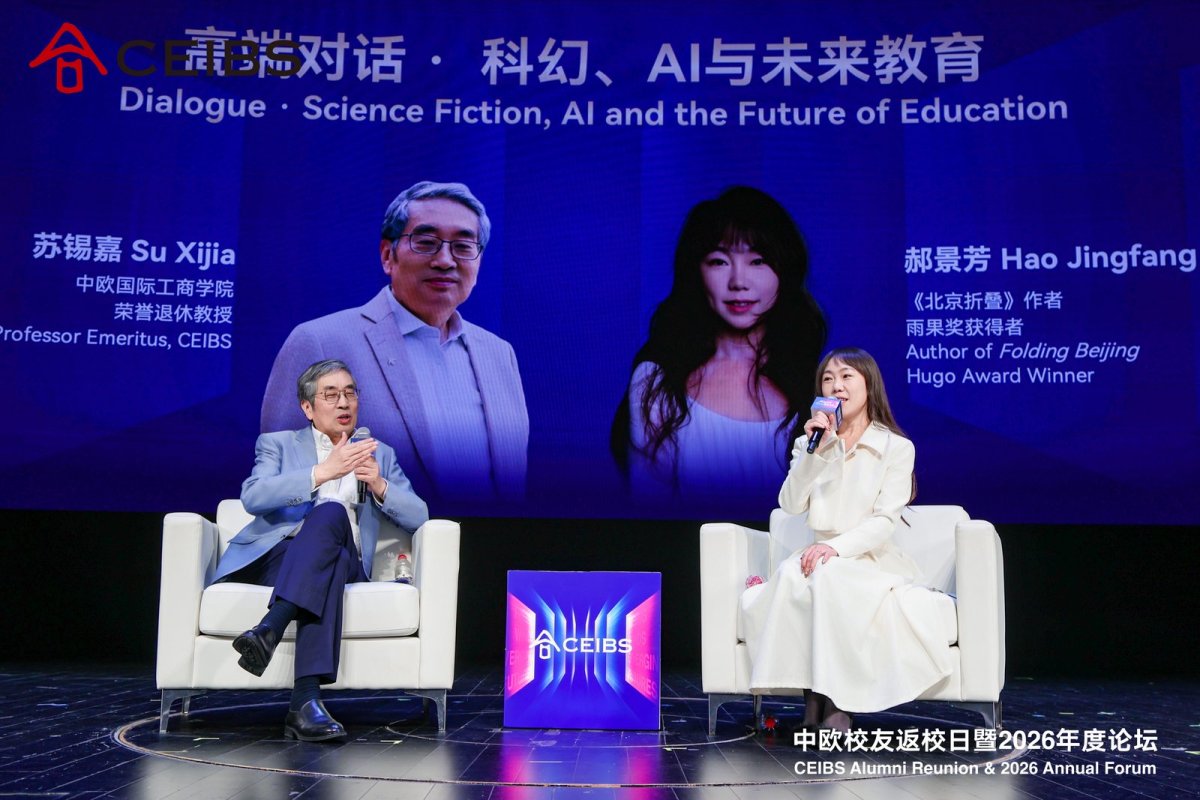
CEIBS Professor Emeritus Su Xijia was joined by Hao Jingfang, Hugo Award-winning science fiction writer and author of Folding Beijing, for a conversation titled "Science Fiction, AI and the Future of Education."
Ms. Hao reflected on her writing journey, which she said was driven by curiosity and a deep interest in philosophy and social issues. Her award-winning novella Folding Beijing, initially rejected by several magazines, explored the potential impact of AI and automation on employment, a challenge she believes is becoming even more profound today.
Turning to AI's role in creative work, she suggested that the technology could become as ubiquitous as smartphones, helping more people bring their ideas to life. However, she stressed that creativity and the effective use of AI still depend on human expertise and judgement. As an education entrepreneur, she emphasised the growing importance of a well-rounded education, particularly in nurturing curiosity, critical thinking, aesthetic appreciation and intrinsic motivation in the AI era.
Rethinking Human Worth in an Age of AI
In a thought-provoking final keynote titled "Finding Direction in Life amid Uncertainty in the Age of AI", Liu Qing, Zijiang Distinguished Professor at East China Normal University, explored a fundamental question: As AI increasingly takes over tasks once performed by humans, where does our value lie?
Prof. Liu suggested that humans may become increasingly "useless" in the AI era. Yet this could be both bad news and good news, as it challenges a deeply ingrained assumption that human worth is defined by usefulness itself. Drawing on the philosophical ideas of Norbert Wiener and Immanuel Kant, he argued that human beings should be treated as ends in themselves, rather than as means to an end, and their worth should not be measured by how efficiently they can compete with machines.
He further distinguished between “getting things done” and “becoming fully human”. Through examples such as running and mountain climbing, he explained that the value of experiences lies not simply in achieving an outcome, but in the journey itself. As AI increasingly takes over productive tasks, Prof. Liu argued, humans have an opportunity to focus on what makes life meaningful: learning, loving, reflecting and pursuing passions, even those with no practical purpose.
Looking Ahead: Business Education in an Era of Change
The forum concluded with closing remarks by CEIBS Co-President (European) Frank Bournois, who reflected on the importance of adaptability, resilience and connection in an increasingly uncertain world.
Drawing on the forum's theme, Prof. Bournois emphasised that the greatest danger lies not in changing circumstances themselves, but in failing to adapt to them. “The winds are there, but what is key is that we recognise the danger is not in hitting those winds, but in failing to adapt to them,” he said. He also highlighted the strength of the CEIBS alumni community, encouraging graduates to continue learning from one another and maintaining close ties with the school.
"You graduate from CEIBS, but you never graduate out of CEIBS," he remarked, underscoring the enduring value of lifelong learning and alumni engagement. Reaffirming CEIBS' role in connecting China, Europe and the wider world, he stressed that stronger connections foster greater understanding, create new opportunities and help build a stronger CEIBS community for the future.
The programme also featured a closing performance by students from the Global Master in Management (Global MiM) CEIBS (Switzerland)-ESCP Double Degree Programme 2026 cohort.
The CEIBS 2026 Annual Forum was co-hosted by Gu Bin, former CCTV Host, Head of Content & Asian Auctions at Kelleher Auctions, and CEIBS EMBA 2014 alumnus, and Huang Shengyi, Actress, Executive Producer, and CEIBS EMBA 2024 alumna.