



From crisis to Forbes 30 Under 30: Omar Maadarani’s, CEIBS MBA alumnus
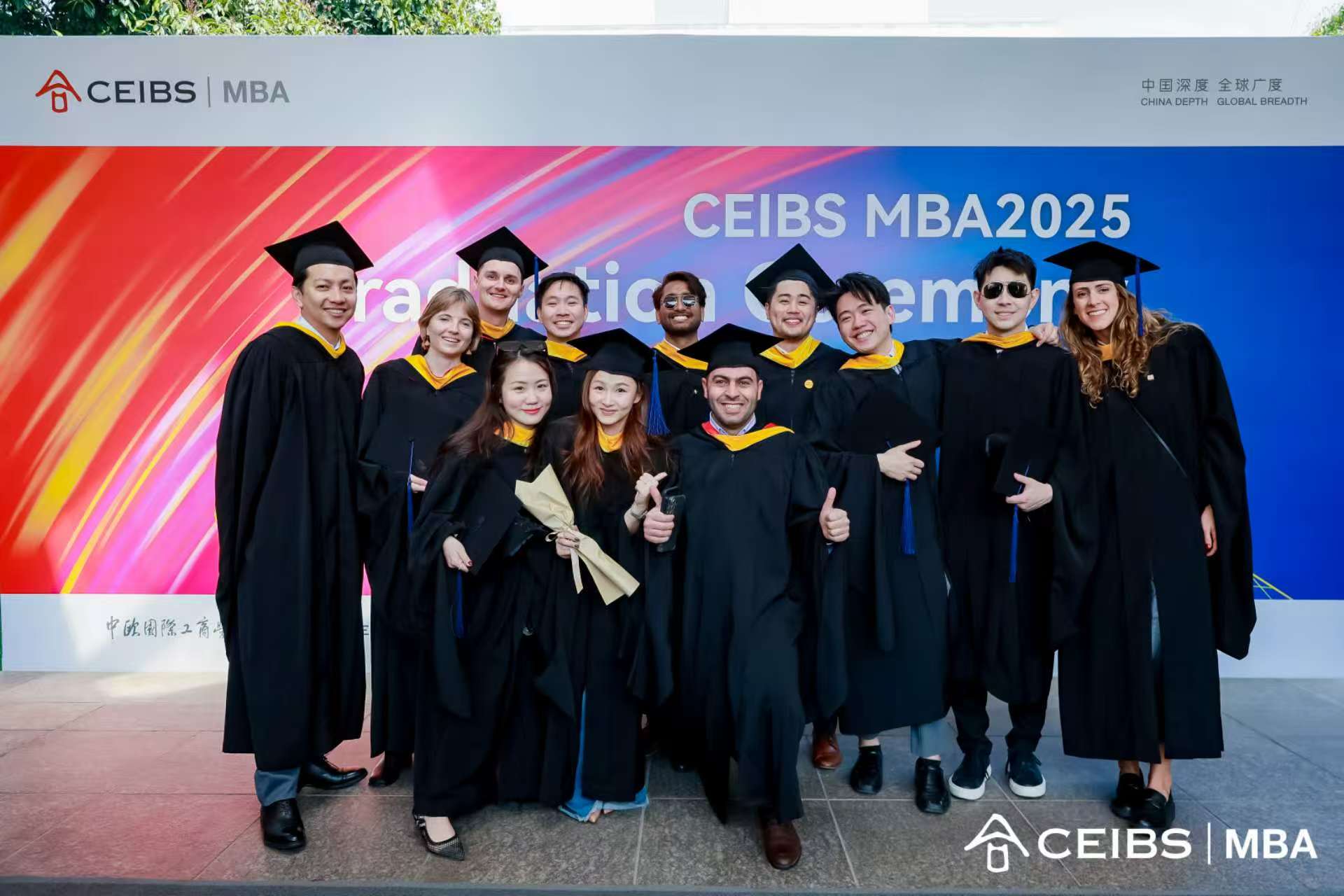
For Omar El Maadarani, CEIBS MBA 2025 alumnus and CEO of Liban Fresh, being named on Forbes Middle East 30 Under 30 list is not a culmination, but a milestone on a years-long journey marked by consistently taking risks, building through uncertainty, and staying committed to creating real economic and social impact.
Going from a small agricultural village in Lebanon to building cross-border supply chains spanning Europe, the Middle East, and Asia, Omar’s entrepreneurial journey reflects a belief that opportunity often emerges from uncertainty.
To learn more about his journey so far, we spoke with Omar about launching a business during a time of crisis, his experience at CEIBS, and the lessons that continue to shape his leadership.
Building businesses in turbulent economic environments
Omar co-founded Liban Fresh, a global commodities trader, in 2020, at a time when his home country was experiencing one of the most severe financial crises in its history. Hyperinflation had eroded the value of the local currency while living costs soared and agricultural prices remained suppressed, devastating farmers’ incomes.
For Omar, the crisis was deeply personal. “I come from a small village in the Bekaa Valley, where most families depend directly on agriculture. I saw firsthand how this crisis was affecting livelihoods, not in theory, but for people I grew up with. At that moment, it became clear to me that waiting was not an option,” he explains.
Liban Fresh was born out of a strong sense of responsibility. The company’s mission was simple yet ambitious: connect local farmers to international markets, protect their income from currency volatility, and build a more resilient agricultural supply chain.
“It was not about starting a business in a crisis, but about responding to a crisis with a practical, long-term solution.”
Trust: the most valuable currency
Omar’s entrepreneurship journey was not smooth sailing. In its early days, Liban Fresh faced one key, daunting obstacle: market access.
Historically, Lebanese produce was exported primarily to regional markets such as Saudi Arabia, the UAE, Kuwait, and Jordan. But political tensions had closed several of those channels. With traditional destinations restricted, Omar and his team had to look further beyond the region.
Europe became the target, but entering the continent was not easy. Lebanese fresh produce was almost unknown to European consumers, and there was no established track record for exporting vegetables from Lebanon at scale.
“The real challenge wasn’t capital or logistics,” Omar says. “It was trust.”
Convincing European importers to work with a new supplier from an unfamiliar origin required relentless focus on quality, transparency, and consistency. Step by step, the company established credibility. What began as one-tonne air freight consignments gradually evolved into 20-tonne container shipments as the company expanded.
Today, Liban Fresh operates in around 13 countries across Africa, Europe, and the Middle East, and has supported over 1,000 small farmers.
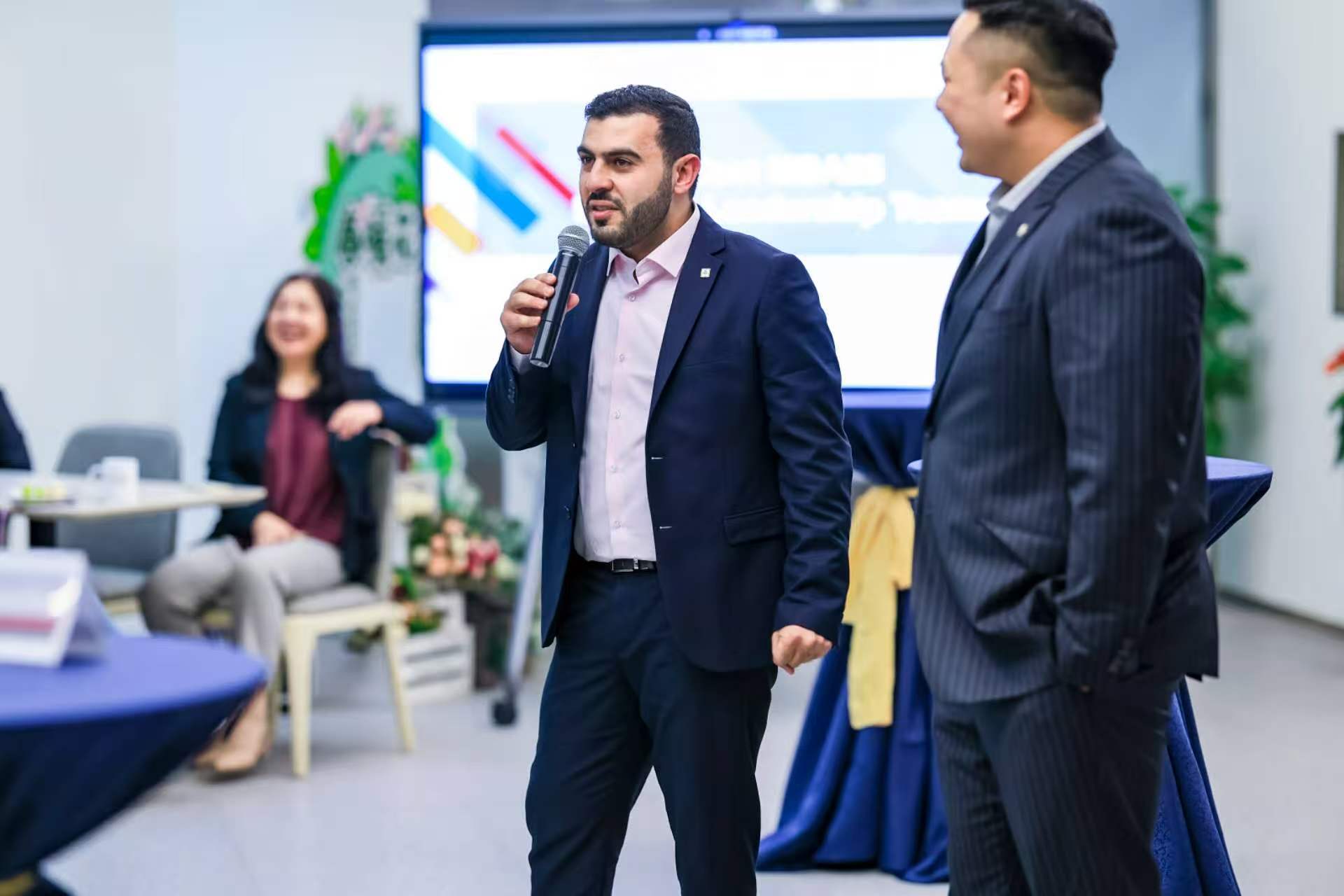
Lessons from crisis and global expansion
Unlike many other founders and entrepreneurs, Omar grew up in an environment shaped by crisis, which offered unique lessons that stability can’t teach. “Crisis strips away comfort and assumptions,” he reflects. “It forces you to focus on what truly matters: execution, resilience, and adaptability.”
In unstable conditions, decisions cannot be postponed. Founders must learn faster and operate with limited resources. By contrast, stable markets sometimes delay action.
“When everything is predictable, there is less urgency to innovate or to question existing models,” Omar says, adding that uncertainty does not eliminate opportunity, it often creates it. Difficult periods reward long-term thinking and the courage to act when others hesitate.
Yet resilience alone is not enough. Omar’s entrepreneurial journey has also been shaped by his international experience across the Middle East, Europe, and Asia. Having studied and worked in diverse environments, he has developed what he describes as “strategic flexibility.”
“What succeeds in Europe may not work in China, and what works in China may need to be adapted for the Middle East,” he explains.
These cross-cultural experiences strengthened his ability to listen first, understand local priorities, and adapt accordingly. Rather than exporting a fixed approach, he builds locally grounded strategies supported by global experience, a mindset particularly relevant in international trade.
“This mindset allows me to connect people, markets, and systems more effectively, and to build partnerships based on mutual understanding and long-term trust,” he adds.
Why China, Why CEIBS?
Omar’s connection with China dates back to an undergraduate exchange at Peking University, where he was exposed to China’s academic rigor, cultural depth, and rapid pace of development, an experience that left him with a lasting impression.
When it came time to pursue an MBA, while many of his peers chose Europe or the United States, Omar deliberately took a different path: China Europe International Business School.
“For someone working in international trade, understanding China is not optional, it is essential,” he explains, suggesting that CEIBS offered an ideal platform to combine global business education with direct exposure to China’s market, institutions, and way of doing business.
“This experience has been instrumental in shaping how I think about scale, long-term strategy, and cross-border partnerships,” Omar says.
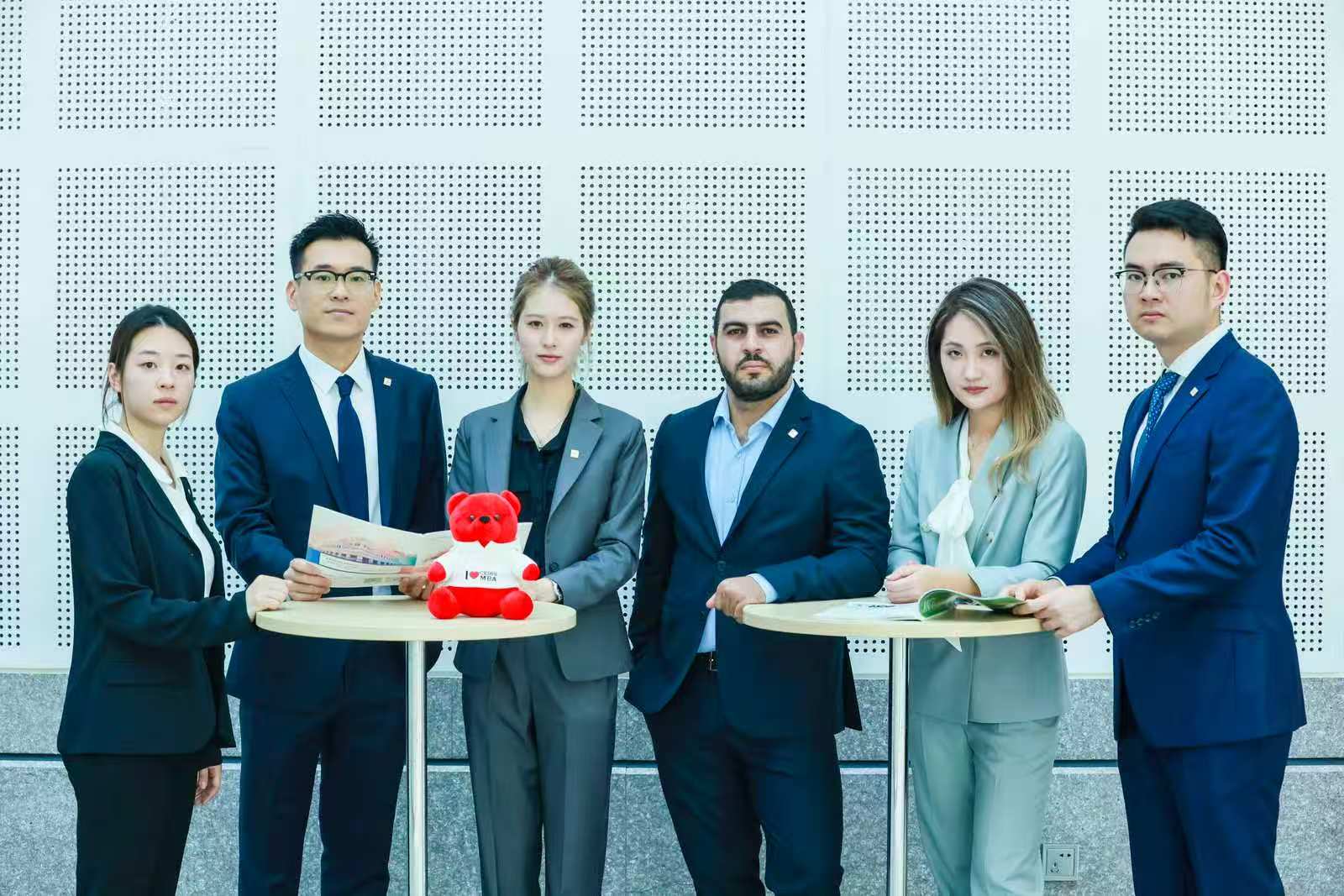
What the CEIBS MBA offers
During his time at CEIBS, Omar also served as President of the Entrepreneurship and Innovation Club, organising workshops on design thinking and product development, as well as company visits to local Chinese start-ups. The role allowed him not only to engage with China’s innovation ecosystem, but also to reflect on his own perspective as a founder.
“Before my MBA, I was very comfortable building businesses from zero, identifying opportunities, moving fast, and executing under pressure,” he says. “However, I had limited experience in structuring organisations for scale.”
At CEIBS, he began to close that gap. “The programme equipped me with the frameworks to organise teams, design processes, and make better data-driven decisions. More importantly, it taught me how to think systematically about efficiency, risk, and long-term growth.”
For Omar, the transition from founder-driven execution to organisation structuring has been one of the most significant evolutions in his leadership journey.
At the same time, the thriving network of over 34,000 CEIBS alumni has played a crucial role throughout his entrepreneurial journey. Having worked with CEIBS alumni as early as 2017, Omar gradually turned relationships into concrete partnerships. Together with fellow alumni, he co-founded a company providing supply-chain and market-entry solutions for Arab companies entering China, while also supporting Chinese firms expanding into the Middle East.
“The value of the network was not only access, but trust, shared values, speed of execution, and a common understanding of how to do business across cultures,” Omar reflects.
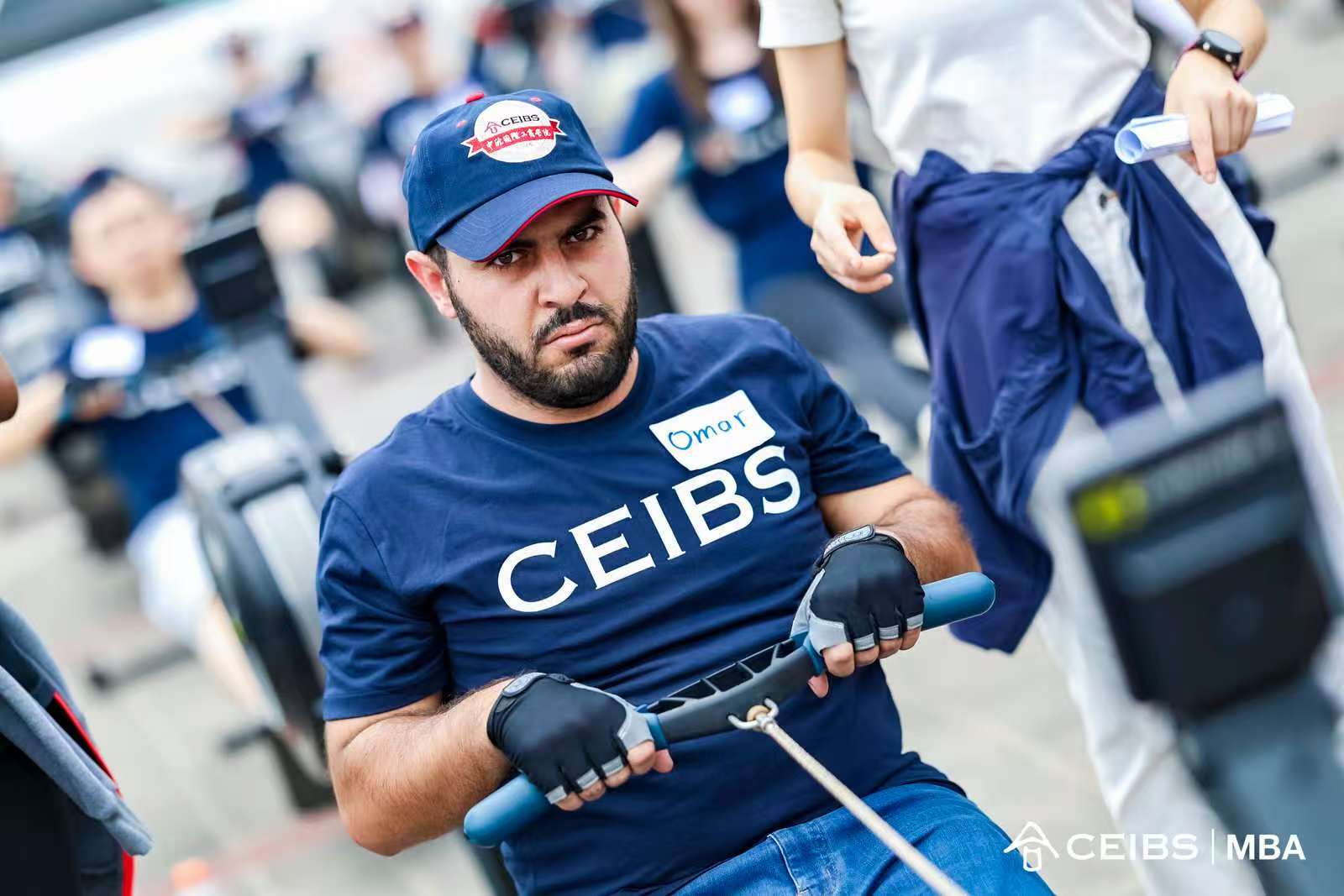
Advice for future MBA students
When asked what advice he would give to prospective MBAs seeking to build globally, Omar’s answer is simple: “Start with real demand.”
Before pursuing geography, prestige, or trends, founders must understand genuine market needs. Building globally does not mean replicating identical solutions across borders. It requires curiosity, humility, and adaptability.
“If you combine a clear understanding of demand with disciplined execution and long-term thinking,” he says, “scale will follow naturally.”
For Omar, recognition from respected platforms like Forbes is not a destination, but the consequence of a responsibility to aim higher, scale further, and continue building businesses that create lasting value for people, markets, and communities.